AUTHOR R. ANN SIRACUSA . . . . . . . . . . . . . . . . . . . . . . It isn't the destination that matters -- It's the journey that counts!
Contact me!
  • HOME
  • BLOG
  • BOOKS
    • All For A Dead Man's Leg
    • All For A Fist Full Of Ashes
    • Destruction Of The Great Wall
    • All For Spilled Blood
    • First Date
    • Halloween In The Catacombs
    • All In The Game
    • Family Secrets: A Vengeance of Tears
  • ABOUT ME
    • Resume
  • PHOTO ALBUMS
  • RESOURCES
  • MY ORGANIZATONS
  • BLOGS ABOUT ANN
  • Blog

WORDS MATTER: Commonly Misused Words and Phrases

4/15/2026

0 Comments

 
COMMUNICATION IS EVERYTHING
In today’s world, communication is more important than it has ever been. Yet, most Americans tend to be lazy about language. We speak in slang, in clichés, in generalities, and local terms without giving much attention to saying, with precision, what we really mean. This frequently leads to misunderstandings and misinterpretations.

Picture
​​Lazy language occurs more often in verbal than in written communications. At least we can proof read written words if we care enough. Most people can’t unhear spoken words, even if further explanations or corrections follow. They make an impact.
​
Writers and authors are expected to be more careful with their use of language, and we owe it to our reading audience to make our best effort to choose the correct words and phrases. Getting them in the correct order is part of our creative process.

             Image Source: www.cartoonstock.com  

One pitfall of self-publishing is self-editing. Of course, the writer must self-edit, often many times. But in the final polishing stages, it is best to have an experienced editor. An outside eye helps to avoid those hidden grammar and wording mistakes which sometimes sneak into a manuscript because people misuse and misspell words so frequently we tend to read right over the top of them. [I know from experience. You may have found some already.]

COMMONLY MISSUED WORDS
The English language is complex, and all of us make mistakes. Using the wrong word can be the result of several things.

● Not knowing or understanding the definition of the word. This often happens when the words are similar in sound.

● Two or more words having the same pronunciation but different meanings, origins, or spelling.  E.g. new and knew, discreet and  discreet. (Homophones)

● Incorrect grammar (Malaproprisn) when a word is used in place of one that sounds similar to the correct one. E.g. “supposively” instead of “supposedly”; “fortuitously” instead of “fortunately”; “your” instead of “you’re”; “should of” instead of "should have."
Picture
​Some of these can get picky. The whole purpose of this discussion is to avoid sounding (and being) ignorant. A lot of words fall into the category of improperly used words, but I’ve picked ones that I have seen recently in novels, and a few from my own earlier works.

Affect vs. Effect

“Affect” used as a  verb means to have an influence on something. For example: "The weather affected my mood."

"Affect” used as a noun refers to feeling or emotion.                     
  Image Source: www.cartoonstock.com 
For example, “Her face bore a dismal affect.”                                                               

 
"Effect” is most commonly used as a verb meaning to cause something (stronger verb than “affect,” which refers to merely having an influence on). Thus, you would “effect change,” and could be described as “effective.”

"Effect” used as a noun refers to the end result of the influence: "The weather had no effect on my mood."


Picture
Capitol vs. Capital
“Capitol” refers to a building, and specifically, the building where legislators meet. Capital is applied  for every other use, but has a number of different meanings.


Compliment vs. Complement
A “compliment” is something nice that you say.
A “complement” is an addition, enhancement, or improvement.

Picture
Discreet vs. Discrete
“Discrete” means individual, separate, or distinct.
“Discreet” means careful, cautious, or evidencing good judgment. This was a mistake in my first published book; and more than one reader let me know.
                                                                                                          
Image Source: www.grammexa.com
Defuse vs. Diffuse
“Defuse” means to render a bomb non-explosive by removing the fuse, or to render a situation less dangerous.
"Diffuse” is a verb that means to disperse over a wide area. The word is also be used as an adjective to describe something that is not concentrated but, in this case, is pronounced with a soft-s sound.


Emigrate vs. Immigrate
You “emigrate” when you leave your country to permanently live in another.
You “immigrate” when you arrive in another country to live permanently.

These words always give me problems and, considering current usage, seem picky. I’m not sure how many dictionaries would agree with this definition.


Eminent vs. Imminent
“Eminent” describes something or someone prominent.
“Imminent” describes something that is about to happen.

Further vs. Farther
“Farther” refers to actual physical distance, which is to say, a literal distance.
“Further” refers to a figurative distance. www.rd.com/list/words-youre-using-wrong/

Merriam-webster.com disagrees and treats them as synonyms. “Further” and “farther” share meanings relating to distance, whether spatial, temporal, or metaphorical.” As adjectives, meaning "more distant”; As adverbs, meaning "at or to a greater distance or more advanced point."  merriam-webster.com/dictionary/farther

Insure, Ensure, Assure
“Insure” means promising to compensate someone for damages, loss, injury, or death in exchange for advance payment.
“Ensure” means making sure of something.
“Assure” means guaranteeing something.

Illusion vs. Allusion
An “illusion” is a misleading image or impression, such as an optical illusion.
An "allusion"  is a reference to something else, such as a literary allusion.
​
Irregardless vs. Regardless
Dictionaries may now accept "irregardless" as a legitimate word because of common usage, but the correct word is “regardless.”
                                                              
“Here’s how to remember the difference between lay and lie.
                                                                                 You lie on a keyboard and you lay a mouse on a pillow.”

Picture
Lay vs. Lie
A person only “lies” down. A person does not lay down, unless you mean someone is “laying down" an object. You can also lay down the law. And hens lay eggs.

One exception if you mean a person lying down in the past tense. This is not to be confused with the past tense of the word “lie,” when used to refer to a non-truth, in which case the past tense is “lied” as in, “He told a lie. Therefore, he lied."                                                    
Image Source: www.weareteachers.com 

Nucular vs Nuclear
The correct word is “nuclear”, a term that relates to the nucleus of an atom.
“Nucular” is a common, proscribed pronunciation of the word, which first appeared in print in 1943. Although the word is disapproved of by many, its use is widespread among educated speakers, including scientists.

Safe deposit
Not safety deposit box.


Sit vs. Set
Putting your rear end in a chair: use “sit.” Placing an object, it’s “set.”


Poisonous vs. Venomous
“Poisonous” refers to something that is toxic if you eat it.
“Venomous” describes something that is poisonous if it bites you.


Principal vs. Principle
“Principal” in reference to a person and “principle” in reference to a standard, rule, or belief.


Reluctant vs. Reticent
“Reluctant” describes unwillingness in general.
“Reticent”, in its oldest use, means someone who is inclined to be silent or uncommunicative in speech; reluctant to share one’s thoughts.

Sensual vs. Sensuous
“Sensuous” refers to things that relate to the senses or appeal to the senses, such as a fabric or song.
“Sensual” also refers to things that appeal to the senses, but the connotation is erotic.

Undoubtably
If you mean “without a shadow a doubt,” then you have two choices, and neither of them is “undoubtably.” You can say either “undoubtedly” or “indubitably.”

Nauseous vs. Nauseated                                                     
Image Source: www.yourdictionary.com            
Picture
I saved this mistake for last because it is my all-time favorite. It is an alarm bell that the writer or speaker is ignorant when it comes to proper English grammar.

Contrary to current popular usage “nauseous” is an adjective which means to cause nausea or disgust, such as nauseous smell. I have to laugh when people say “I feel nauseous.” I always want to ask them why they feel disgusting and repulsive.

​The correct term is “nauseated” if you are physically affected with nausea/stomach distress. I understand that language is always a work-in-progress and always changing. To say you are “nauseous” when you have stomach issues has become the common usage. But novelists should know the correct terms and apply them appropriately in their manuscripts.

COMMONLY MISSUED PHRASES
I believe most of these mistakes come from hearing the phrase used incorrectly often, without thinking consciously about the meaning, until it is integrated into one’s vocabulary. Most writers will not make these mistakes in writing, even if they might in speaking. It is just sloppy grammar. However, I did discover several that were new to me.

"All and All" vs. "All In All"
“All in all” means everything being taken into account, or “in sum”. “All and all” is just redundant.


"At Nauseum" vs. "Ad Nauseum"
I haven’t seen this mistake in a book, but it is common in speaking. “Ad nauseum” is Latin for an argument or a discussion that has been extended to the figurative point of nausea or sickness. 
en.wikipedia.org/wiki/Ad_nauseam

Picture
"Baited Breath" vs. "Bated Breath"
Correct version: “Bated breath” means abated or breathing that is restrained. The word “bated” is a shortened version of “abated.”
Image Source:ismagazine.wisc.edu

"Beg the Question"
This one is unusual because it isn’t a mispronunciation but a common misuse based on a basic misunderstanding of what the expression means.

When most of us say that something “begs the question” we mean it suggests that a question should be asked. The real meaning of the phrase is that it “makes the question unnecessary so there’s no need to ask”. www.phrases.org.uk/phrases-people-get-wrong

"Butt Naked" vs. "Buck Naked"
The actual term is “buck naked,” although grammarians actually are beginning to accept “butt naked” as a proper idiom.

"By In Large" vs. "By And Large"
Correct version: “By and large” which means “in general or near enough”. It is originally a nautical term which means “this way and that” as it pertained to wind and sails.

"Deep-Seated" vs." Deep-Seeded"
Picture
Correct version: “Deep-seated” means firmly established and is generally the correct term to use. It also had an earlier literal meaning of “situated far below the surface” which is the source of the mistakenly written “deep-                    Image Source: www.grammarnestly.com            seeded.” www.merriam-webster.com/deep-seated-deep-seeded-usage
                                                     
Yahoo.search.com AI states that “Deep-Seeded is less common and typically refers to ideas or beliefs that have been planted deeply, suggesting a strong foundation.” I didn’t find that interpretation anywhere else.

"First Come, First Serve " vs.  "First Come, First Served"
Correct version: “First come, first served”. (no hyphens)
“First come, first serve” suggests that the person who arrives first serves the latecomers, but the expression means the first to arrive gets served first.

The phrase is a shortened form of the earlier proverb “he that comes first to the mill grinds first”, found in Chaucer’s 14th century ‘The Wife of Bath’s Tale‘.


"For All Intensive Purposes” vs. “For All Intents and Purposes”
“Intensive” indicates that something is powerful and focused. If you’re discussing an intensive purpose, you’re simply indicating one focused purpose (or perhaps a few very focused purposes).workandmoney.com/commonly-misused-phrases

“For all intents and purposes”, the correct phrase, means that something is coming from more or less all important angles or opinions.                                           Image Source: www.redbubble.com

Picture
"It’s A Doggy-Dog-World" vs. "It’s a Dog- Eat-Dog World"
Correct version: “It’s a dog-eat-dog world”.
The expression “A dog-eat-dog world” alludes to the kind of ruthless, red in tooth and claw world of wild animals. The implication of such a scenario is that either you destroy your competitors or they will destroy you.


"On Accident" vs. "By Accident"
The correct usage of the phrase "by accident" is when describing something that nobody saw coming. It was an unforeseen happenstance; a surprise. The phrase has been around for a long time. “On accident” has become popular in American colloquial speech, especially in regional dialects and informal conversations, during the 20th century.


"I Could Care Less" vs. "I Couldn’t Care Less"
Most people say they “could care less” in an attempt to show how little they care about an issue. Actually, saying you could care less implies that you not only care, but you care enough that you would have the ability to care less if you wanted to. If you don’t care at all “I couldn’t care less” is more accurate.

As I said before, some of these grammarians get very picky. The common usage seems clear enough.

​
"On Tender Hooks" vs. "On Tenter Hooks"

Picture
​Correct version: “On tenterhooks” which means “under stress or tension.
“Tenterhook” is an archaic word that isn’t used anymore outside of this expression.
A “tenter” is a wooden frame which was used in the past to dry cloth attached to the frame with hooks.

                                  Image Source: www.phrases.org.uk

"One in the Same" vs. "One and the Same"
Both phrases are idiomatic expressions used to suggest equivalence or identity.

“One and the same” is the phrase used to emphasize that two things are identical.
“One in the same” is incorrect, although commonly used, but should be avoided in writing.

​"Shoe-in” vs. “Shoo In"
“Shoo in” is the correct term. This was a new one to me, so I have probably been using the phrase incorrectly forever. The word “Shoo” is a verb that means “To usher in.”
"Shoo in” (as a noun) means a candidate who is very likely to win a contest or other competition.
“Shoo in” (as a adjective) describes such a candidate.

The phrase is a “shoo in” dates back to horse-racing days when you could urge — or shoo — something toward victory. Hyphenated, the word takes on a modified meaning. A “shoo-in” someone who is likely to be ushered into victory. writingexplained.org/shoo-in-or-shoe-in.

Picture
Many years ago – at least a hundred and fifty – when I began writing novels, the editors, conference speakers, and teachers would always say, “There is only one rule: There are no rules.”

Of course, they always seemed to follow that with a litany of things author should and should not do. In those days, as well as in today’s market, you can do just about anything you want from grammar and spelling to content. The caveat is: It has to work.

No one seems able to define what makes a novel “work.” Hence, an editor’s stock phrase is, “I’ll know it when I see it.”
Picture
BREAK THE RULES FOR A PURPOSE
Breaking the rules is okay, but first a novelists needs to know what the rules are. And for a beginner, it is usually best to follow them until you have more experience. Then, if you choose to break the rules, you should have a reason for doing so.

My message is to make fully informed choices that are not based on ignorance. There are always readers that can tell immediately.

JUST SAYIN’


Sources:
https://www.rd.com/list/words-youre-using-wrong/
https://www.rd.com/list/fancy-words-sound-smarter/
https://www.rd.com/list/mispronounced-words/
https://www.rd.com/list/words-that-make-you-sound-old/
https://www.rd.com/list/grammar-jokes/
https://www.rd.com/article/dictionary-editors-prank/
https://www.rd.com/article/oxymoron-examples/
https://grammarist.com/usage/nauseous-nauseating/
https://bestlifeonline.com/common-incorrect-sayings/
https://www.rd.com/list/grammar-jokes/
https://guidetostressless.com/words-and-phrases-that-make-someone-sound-ignorant/
https://egrammarbook.com/usage-of-on-accident-vs-by-accident/
https://grammardiary.com/usage-of-one-in-the-same-vs-one-and-the-same/
https://writingexplained.org/shoo-in-or-shoe-in
https://www.phrases.org.uk/meanings/phrases-that-people-get-wrong.html
https://www.merriam-webster.com/dictionary/farther
https://www.merriam-webster.com/dictionary/nauseous
https://en.wikipedia.org/wiki/Ad_nauseam
https://vocabclarified.com/deep-seeded-or-deep-seated/#google_vignette
https://www.merriam-webster.com/grammar/deep-seated-deep-seeded-usage
https://englishsumma.com/other-ways-to-say-first-come-first-serve/
https://discover.hubpages.com/literature/Commonly-Misused-Words-Phrases-that-will-Make-You-Sound-Unprofessional
https://www.workandmoney.com/s/commonly-misused-phrases-that-will-make-you-sound-unprofessional-1923fda75f53419d

0 Comments

PERUVIAN BAND OF HOLES

4/1/2026

0 Comments

 
In 1927, Peruvian archaeologist Toribio Mejía Xesspe first realized that the Nazca Lines in the area south of Lima were massive images and symbols carved into the earth, so big that they were unrecognizable from ground level. Since then, many people have believed that other unexplained phenomenon discovered in Peru had supernatural overtones.

So it is unsurprising that the rediscovery of the “Band of Holes” in the hills about 20 miles east of the City of Pisco on the Nazca Plateau in Peru, generated a whole new set of alien / supernatural theories.
Picture
Image credit: Jacob Bongers
Image Source: smithsonianmag.com/mysterious-holes

WHAT IS THE “BAND OF HOLES”?
The “Band of Holes” is a series of ancient and mysterious man-sized holes found in the Nazca Desert, Peru. They are located in the Pisco Valley area, known as Monte Sierpe [Serpent Mountain] or Cerro Viruela [Smallpox Hill], roughly 20 miles east of the city of Pisco in the foothills of the Andes.
Picture
For decades, archaeologists have been perplexed by the 5,000 to 6,000 man-sized dimples stretching across the landscape. The depressions are arranged in a long, slender grid pattern and appear to have been dug methodically and deliberately, and carefully planned.

Image Source:weather-forecast.com/Pisco/

The holes --  actually pits with raised edges – are about 39 inches in diameter and 20 to 40 inches deep. They are arranged in discernable blocks or segments along a band that varies in width from 46 to 69 feet (average 62 feet). They stretch across the landscape with precision in what seems to be a deliberate pattern.

WHY THE INTEREST IN HOLES?
Although the local people have been aware of the phenomenon for centuries, they have no particular idea or folklore about who made them or why. I searched references and found no mention of folk stories about the holes.

Geologist Robert Shippee and Navy Lieutenant George R. Johnson are credited with “rediscovering” the archeological phenomenon in 1931 during an aerial photography expedition in Peru. Two years later, National Geographic published their photographs of the unusual shapes, raising wider spread awareness of their existence and sparking curiosity about their origins.
​
Since then, there has been renewed interest in uncovering the mystery. 

Picture
Picture
               Image Source: www.cnn.com/2025/band-of-holes                                            Image Source: www.usf.edu/news/mysterious-band-of-holes.aspx
Picture
Monte Sierpe “Band of Holes,” Image Source:www.saexpeditions.com

Theories regarding their purpose have ranged from water storage, graves, defensive positions, and storage places built by the Incas (1438–1533). Some researchers speculate that they are part of a larger archaeological site linked to the Nazca culture (200 BCE to 600 CE). Undoubtedly, there are plenty of ancient-alien theories also.

THE LATEST RESEARCH AND THEORY
Recent ongoing scientific studies of the “Band of Holes” now theorize that the system functioned as a barter marketplace before becoming an accounting system for the Inca.

University of South Florida anthropologist Charles Stanish, combined sediment analysis, drone photography, and radiocarbon dating to determine a timeline and come up with a new concept of what the site was actually used for.

Age
Radiocarbon dating technology supports the belief that the site was used between 600 and 700 years ago. However, researchers also believe the holes were constructed between AD 1000 and 1400, which aligns the idea of pre-Inca civilizations using the site.

Findings
The findings, published November 2025 in the journal Antiquity and co-authored by Charles Stanish, support the emerging theory that the system was part of an indigenous system for accounting and exchange centuries before Europeans arrived.

The new study provides the first hard data supporting an explanation grounded in Andean cultural practices. Researchers suspect the holes were constructed roughly 1000 years ago and used by the pre-Inca Chincha people as a regulated central gathering place for exchanging food and goods. A market place.​

Researchers believe the site was first used by the pre-Inca Chincha Kingdom as a regulated marketplace and later adapted by the Inca Empire as part of its state-run system of storage and redistribution. Then, when the Inca Empire conquered the Chincha roughly 400 years later, they took over the site and adapted it as a state-run system of storage, redistribution, and collection of tributes from local groups.


“Sediment samples revealed pollen from at least 27 different plants, including crops like maize and sweet potato, as well as a wild grass known as bulrush that the Chincha people used to make baskets. It’s unlikely that the pollen was carried to the site by the wind, which suggests that humans may have transported the plants there.

Archaeologists think local groups may have first lined the holes with plant matter before placing various types of goods inside of them. They may have used bulrush baskets to carry the goods to the site, which functioned as a barter marketplace.“ www.usf.edu/new-study-band-of-holes.aspx

INCA ACCOUNTING SYSTEM
Overhead imagery, taken by drones, led researchers to realize the holes looked like Inca record-keeping devices known as quipus, and then to theorize the Band of Holes may have later functioned as a large-scale accounting device for keeping track of tributes from different groups.

Picture
Inca Quipu - Image Credit: Claus Ableiter aus enWiki
Image Source: http://en.wikipedia.org/wiki/Image:Inca_Quipu.jpg, CC BY-SA 3.0, https://commons.wikimedia.org/w/index.php?curid=2986739

According to Jacob Bongers of the University of Sydney, the high-resolution aerial images showed clear patterns in how the holes were organized. The rows appear segmented and mathematically structured — a layout that mirrors quipu, a knotted-string devices the Inca used for counting and recordkeeping.

Archeologists realized the slender, snake-like structure is made up of more than 60 sections separated by strips of land. The blocks contain varying numbers of rows and holes.

“There are these interesting mathematical patterns,” Bongers told New Scientist’s Chris Simms. “You have some [sections with] multiple rows of eight holes, and then you have other sections that have alternating counts. Eight holes, then seven, then eight and seven, then eight. It hints that there was some sort of intention behind it."

 www.smithsonianmag.com/

With a clearer understanding of what the site was used for, researchers have their work cut out for them and plan to build on the work by studying the types and origins of plants found in the holes — including those with potential medicinal properties. There is much more work to be done to fully understand the implications of the “Band of Holes."
www.usf.edu/2025/band-of-holes.aspx

Note:
“A quipu usually consists of cotton or camelid fiber cords, and contains categorized information based on dimensions like color, order and number. The Inca, in particular, used knots tied in a decimal positional system to store numbers and other values in quipu cords. Depending on its use and the amount of information it stored, a given quipu may have anywhere from a few to several thousand cords.”  https://en.wikipedia.org/wiki/Quipu

JUST SAYIN’
Sources:
https://www.smithsonianmag.com/smart-news/thousands-of-mysterious-holes-dot-the-landscape-in-peru-archaeologists-say-they-may-finally-know-why-180987681/
https://allthatsinteresting.com/nazca-lines
https://lifeboat.com/blog/2025/11/iconic-andean-monument-may-have-been-used-for-indigenous-accounting
https://vimeo.com/1138603829
https://thecoloradodaily.com/science/new-study-reveals-monte-sierpe-as-indigenous-accounting-tool/
https://en.wikipedia.org/wiki/Band_of_Holes
https://montanainsider.com/science/new-findings-suggest-monte-sierpe-was-indigenous-accounting-hub/
https://www.thevintagenews.com/2017/01/12/the-unexplained-band-of-holes-in-pisco-valley-peru/
https://www.weather-forecast.com/locations/Pisco/forecasts/latest
https://en.wikipedia.org/wiki/Quipu
https://www.msn.com/en-us/news/world/there-are-thousands-of-aligned-holes-in-peru-archaeologists-now-think-they-know-who-made-them/ar-AA1QT9Jl?cvid=3a7ef41d0bc2451488db40a8cf8dcc51&ei=10
https://www.msn.com/en-us/news/world/5-200-peruvian-mystery-holes-under-investigation-after-scientists-crack-600-year-old-code/ar-AA1QFd4c
https://www.lifetechnology.com/blogs/life-technology-science-news/new-interpretation-of-monte-sierpe-indigenous-accounting-system
https://www.usf.edu/news/2025/new-study-suggests-accounting-not-aliens-explains-perus-mysterious-band-of-holes.aspx
​
Inca mythology - Wikipedia
Gods, demons and beasts from the Andes
https://www.cambridge.org/core/journals/antiquity/article/indigenous-accounting-and-exchange-at-monte-sierpe-band-of-holes-in-the-pisco-valley-peru/41D83389D230D99CFF18194CF274A9A3
 
​

0 Comments

WHY WE HAVE COLUMBUS DAY

3/14/2026

0 Comments

 
Picture
THE REASON MAY NOT BE WHAT YOU THINK
Like everything else, it was all about politics.

On July 21, 1892, US President Benjamin Harrison proclaimed that Friday, October 21st, would be a celebration of the 400th anniversary of Christopher Columbus’ discovery of America. But the reason for this was not to honor Christopher Columbus or the rediscovery of North America.

Instead, it was the end result of discrimination against Italians, a mob (including leading citizens and future elected officials) that lynched eleven innocent Italian emigrants in New Orleans in 1891, and political damage-control maneuvering to get a US President reelected.

The first official federal Columbus Day was celebrated 45 years later in 1937.

Told ‘ya!

THE INNOCENT ELEVEN
The inciting incident that set this historic event into motion started 135 years ago although, like all social situations, the history behind them preceded 1891.

According to Basil M. Russo, National President of Italians Sons and Daughters of America:
“On March 14, 1891, prominent New Orleans citizens, including future mayors and governors, led America’s largest-ever lynch mob into the darkest pages of U.S. history. Holding torches, rifles and rope, this mob of vigilantes stormed into Parish Prison and pulled out 11 Italian Americans.

Thousands assembled outside the jail and cheered as the wrongfully accused were riddled with bullets, hanged and ripped apart for souvenirs.


The horror of that night shocked the world, but today one will be hard-pressed to find the story in high school or college textbooks. It was the worst of more than 40 lynchings carried out against Italian Americans between the late-19th and early-20th centuries.” orderisda.org/the-innocent-11-and-the-creation-of-columbus-day

​
BACKGROUND: EMIGRATION INFLUX
The late 1800’s experienced a great influx southern Italians migrating to the US. In 1885 Sicilian emigrants numbered from 60,000 to 100,000 (depending on the source) and continued to increase. Italian, and particularly Sicilian, emigrants were looked down on by the well-established and suspicious Anglo-Saxon-dominated culture. The emigrants were unwanted and were subjected to ethnic discrimination, horrible living conditions, and severe restrictions on where they could live and go.        ▼Image Source: archives-nolalibrary.contentdm.oclc.org/

Picture
New Orleans had become a popular destination for these newcomers. The city had been a port of call for ships carrying Italian citrus fruits and goods since the 1830s, and many emigrants arrived via these trade vessels. In addition, sugar plantations, in particular, sought workers who were more efficient than formerly enslaved people, and they hired immigrant recruiters to bring Italians to southern Louisiana.

Despite the class tension, New Orleans, in the late 1880s and early 1890s, remained an area in which Italian emigrants began to thrive owing to its familiar climate, jobs and expanding economic opportunities, and Roman Catholic traditions. The French Quarter became known as “Little Palermo”, but the Italians were not confined to specific sections of New Orleans (as they were in New York and other cities) and integrated throughout the city.

TROUBLE IN NEW ORLEANS
Like most American cities of the time, New Orleans had its street gangs and criminal underworld. The Italians added another element to that mix. When Italian criminals, fleeing Italy to escape prosecution, arrived in New Orleans, fears of Sicilian mafiosos began to creep into the minds of New Orleans residents.

Rightly so, since one of the escaping arrivals was Giuseppe Esposito, a Sicilian kidnapper and extortionist, who succeeded in emigrating after bribing his way out of an Italian jail.

He arrived in Little Palermo flaunting his outlaw status and wasted no time going back to his gangster ways. Soon his less-than-low-key kidnappings gave away his location. New Orleans Police Detective David Hennessy and his cousin Michael aided two New York detectives in capturing Esposito. He was extradited to Italy where he received a life sentence in prison.

All’s well that ends well, right?


Not so! Hennessy did not get the promotion he expected from the arrest. Afterward, he and his cousin shot and killed the Chief of Detectives. Claiming self-defense, the Hennessys were acquitted but were fired from the force. Hennessy worked as a private detective until 1888, when the new mayor, Joseph Shakspeare, hired him back, with a promotion to chief of police.

The new mayor was not exactly a fan of Italians and openly expressed the typical anti-Italian prejudice of the times, complaining that the city had become attractive to "...the worst classes of Europe: Southern Italians and Sicilians...the most idle, vicious, and worthless people among us." He blamed the emigrants for just about everything that was wrong with the city.
themobmuseum.org/columbus-day

During the whole of the 19th century and well into the 20th, Italian immigrants to the United States were often referred to as "White niggers". en.wikipedia.org/New_Orleans_lynchings

Picture
​HENNESSY’S FOLLY
Police Chief Hennessy tangled with the Italian community in May 1890 when a group of dockworkers were shot at and wounded. The victims were members of the Italian stevedore company controlled by the Matranga Family. The Manrangas blamed the killings on their competitors, the Provenzanos.
◄ Image Source: themobmuseum.org/columbus-day

When the Matrangas pursued criminal charges, Hennessy provided witnesses from the police force to back up the defendants’ alibis, since he was friendly with the Provenzanos, allegedly for shady business reasons involving brothels. When the court convicted six of the Provenzanos for the shootings, the Police Chief promised to aide in their appeal, and it was rumored that Hennessy himself would testify.

Four days before the retrial, on October 15, 1890, Hennessy was ambushed walking along Basin Street to his home. The assailants shot him with sawed-off shotguns, but he returned fire. Some resources say he bled to death on the street where he was overheard by a witness. Some say he died in the hospital 10 hours later. I didn’t pursue the issue. Either way, the only thing anyone heard him say was, “The Dagoes shot me.”

Immediately, Mayor Shakspeare ordered the New Orleans police to “arrest every Italian you come across, if necessary,” and organized the Committee of Fifty, a citizens’ group to investigate and eliminate “Mafia” groups in the city.


"Shakspeares’ Mafia crusade was born from nativist fervor rather than actual evidence. Nevertheless, the prevailing anti-Italian sentiments in the community expected that the courts would avenge the slain chief of police.” themobmuseum.org/columbus-day

Any Italian who owned a fire arm or was remotely associated with the Matrangas was under suspicion and many were arrested.
​
THE LYNCH MOB
All but nineteen of those arrested were eventually released. Nine men went to trial in February 1891. Six were acquitted, including the family head Charles Matranga. The other three had hung juries which ended in mistrials.

​The Committee of Fifty was outraged and organized a public meeting for the following morning. Thousands of angry citizens came. William Parkerson, a local attorney, political leader and ally of the mayor, addressed the crowd saying, “When courts fail, the people must act. What protection or assurance of protection is there left us when the very head of our police department, our chief of police, is assassinated in our very midst by the Mafia society and his assassins are again turned loose on the community? Will every man here follow me and see the murder of Hennessy avenged?”
     ​

Picture
Picture
Source of Images: themobmuseum.org/columbus-day                                                             
​In answer to the challenge, the rabid mob stormed to the Orleans Parish Prison, breached the walls and proceeded to lynch 11 of the prisoners. The exact mode of death for each of the victims varies a little with the source, but apparently some were shot first, one reportedly 42 times. The descriptions of some of the witnesses are stomach-turning.

Eight prisoners escaped the carnage, including Matranga, who hid under a mattress.Local newspapers praised the actions of the mob, while publications in other states condemned them but conceded that it was a necessary evil.

Parkerson later referred to the lynchings as “a wonderful thirty-minute experience.”

In a letter to his sister dated a week after the lynchings, future US president Theodore Roosevelt wrote: “‘Various dago diplomats were present, all much wrought up by the lynching of the Italians in New Orleans. Personally I think it a rather good thing, and said so.”

Ironic that it was President Franklin D. Roosevelt who proclaimed Columbus a National federal holiday on September 30, 1934.
www.presidency.ucsb.edu/  Or, if you want to believe Yhoosearch.com’s AI, it was 1937. [Close enough for artificial intelligence?]

THE VICTIMS
The following people were lynched
● Antonio Bagnetto, fruit peddler: tried and acquitted.
● James Caruso, stevedore: not tried.
● Loreto Comitis, tinsmith: not tried.
● Rocco Geraci, stevedore: not tried.
● Antonio Marchesi, fruit peddler: tried and acquitted.
● Pietro Monasterio, cobbler: mistrial declared.
● Emmanuele Polizzi, street vendor (mentally impaired): mistrial declared.
● Frank Romero, ward heeler for the Regular Democratic Organization: not tried.
● Antonio Scaffidi, fruit peddler: mistrial declared.
● Charles Traina, rice plantation laborer: not tried.
● Joseph Macheca, American-born former blockade runner, fruit importer, and political boss of the New Orleans Italian American community for the Regular Democratic Organization: tried and acquitted.
Picture
The supposed leader and "Instruments of the Mafia: - Image Source: themobmuseum.org/columbus-day  
The following people managed to escape lynching by hiding inside the prison:
● John Caruso, stevedore: not tried.
● Bastian Incardona, laborer: tried and acquitted.
● Gaspare Marchesi, 14, son of Antonio Marchesi: tried and acquitted.
● Charles Matranga, labor manager: tried and acquitted.
● Peter Natali, laborer: not tried.
● Charles Pietza (or Pietzo), grocer: not tried.
● Charles Patorno, merchant: not tried.
● Salvatore Sinceri, stevedore: not tried.


Despite intensive investigations, the actual murders of Chief Hennessy were never identified or brought to trial.
 
POLITICAL FALLOUT
A New York Times headline announced, "Chief Hennessy Avenged...Italian Murderers Shot Down."

A T
imes editorial the next day vilified Sicilians in general saying, “These sneaking and cowardly Sicilians, the descendants of bandits and assassins, who have transported to this country the lawless passions, the cut-throat practices, and the oath-bound societies of their native country, are to us a pest without mitigation. Our own rattlesnakes are as good citizens as they...Lynch law was the only course open to the people of New Orleans.”


In fear of further vigilante attacks on Italians, the Italian consul in New Orleans requested Mayor Shakspeare and the Louisiana governor to call in the National Guard.

When they refused, the consul notified Italy’s Ambassador to the United States of the event and indicated he feared for his life. The Ambassador and Italian Prime Minister reached out to the US Secretary of State, who apparently held the same opinion about Italians as the New Orleans officials.

That created an international incident resulting in both countries recalled their ambassadors, and the Italian parliament introduced a resolution calling for a retributive naval assault on the Eastern Seaboard.


ENTER US PRESIDENT BENJAMIN HARRISON
The Italian resolution handed the presiding US President, Benjamin Harrison, with an both an international and an election crisis.                                                Image Source: www.britannica.com ▼
Picture
​Harrison’s first step to damage-control a $25,000 indemnity payment to the Italian government. With the issue behind them, Italy proceeded with its plan to gift a statue of Christopher Columbus to the United States to commemorate the 400 hundred year celebration of Columbus’ landing in America. After the statue was installed on a traffic circle at the southwest corner of Central Park, the area became known as Columbus Circle.
​
The next step was to make peace with the Italian Community which Harrison attempted by proclaiming a one-time celebration of “Discovery Day.” The action formalized at a federal level an event which was already celebrated in Roman Catholic and Italian communities.

​The president hoped this would be seen as an apology for the New Orleans tragedy. The Knights of Columbus organization, founded in 1882, further promoted these festivities as a rallying point to unite American Catholics, who faced opposition from the Protestant majority.

Picture
The last-gasp effort failed and Cleveland defeated Harrison in a landslide victory. While it was the end for Harrison, Columbus Day was just beginning.

The 77-foot monument in the center of Columbus Circle in New York is topped with a 13-foot granite sculpture of Christopher Columbus.
Image Source: themobmuseum.org/columbus-day
​

Subsequently, the Knights of Columbus lobbied for the day to become a yearly tradition. In , and in 1934, President Franklin Roosevelt declared October 12 as Columbus Day. In 1968, President Lyndon Johnson signed legislation making it an official federal holiday beginning in 1971, now occurring on the second Monday of October.

TAKE AWAYS
I told you the holiday had little to do with Christopher Columbus sailing the ocean blue in 1492 or the recognition of his discovery.

Granted, it was because the Italians in general heralded [in the 1800s] the man’s achievements that he became the symbol of the contributions made to the world by Italians and Italian emigrants. But the creators of the holiday didn’t have that in mind.

“
While today’s holiday has become a point of contention regarding its namesake, its origins had little to do with 1492. It emerged as a recognition of the Italian American and Catholic communities, established by a president who urgently needed support in an upcoming election.” themobmuseum.org/columbus-day

The holiday today should serve as a reminder how quickly prejudice can turn into unwarranted, unthinking violence, and an opportunity to memorialize the 11 Italians slain in 1891, victims of an angry mob that saw Italian immigration as nothing more than a pipeline of criminals invading New Orleans.

JUST SAYIN’ 

Note: "The word 'dago' is a derivative of the Spanish name 'Diego', which means 'James'. It was originally coined in the 17th century by British sailors to indicate Spanish or Portuguese people, especially sailors. Despite the hispanic origin of the word, in the 19th century the word 'dago' became more commonly used in the USA as a derogatory term for Italians, due to the large immigration from that country. However, it is still used to indicate Spanish or Portuguese people as well, but rarely the French."  funtrivia.com/

Sources:
https://orderisda.org/culture/stories/the-innocent-11-and-the-creation-of-columbus-day/
https://themobmuseum.org/blog/columbus-day-and-its-mafia-origins/
https://en.wikipedia.org/wiki/1891_New_Orleans_lynchings
https://www.britannica.com/event/New-Orleans-lynchings-of-1891
https://www.history.com/articles/the-grisly-story-of-americas-largest-lynching
https://en.wikipedia.org/wiki/1890s_in_organized_crime
https://search.yahoo.com/
https://egrove.olemiss.edu/cgi/viewcontent.cgi?article=1636&context=etd
https://www.loc.gov/classroom-materials/immigration/italian/the-great-arrival/
https://www.presidency.ucsb.edu/documents/proclamation-2101-columbus-day
https://www.funtrivia.com/askft/Question106725.html#google_vignette
https://en.wikipedia.org/wiki/David_Hennessy
https://orderisda.org/culture/stories/our-darkest-hour-anarchy-a-lynch-mob-and-11-souls-lost/
https://archives-nolalibrary.contentdm.oclc.org/digital/collection/p16880coll45


0 Comments

THE SÁMI CULTURE

3/1/2026

0 Comments

 
If you are like me, probably you have never heard of the Sámi culture. Well, maybe way back when, these peoples were mentioned in a long-forgotten history or geography class. I ran onto the reference when researching Ded Moroz, the Russian equivalent of Santa Claus, and it sparked a memory of a nomadic people in Scandinavia and Russia. So here we are.

BEING SÁMI: A LANGUAGE BASED CULTURE
Being Sámi has to do with all peoples speaking the Sámi language and inhabiting Lapland and adjacent areas of northern Norway, Sweden, Finland, and the Kola Penninsula of Russia. The region is referred to as Sápmi.                            
▼Image Source: www.hca.westernsydney.edu.au/     
Picture
​The Sámi languages belong to the Finno-Ugric branch of the Uralic language family. Of the eleven Sámi languages, two are virtually extinct, and the remaining nine, which are still in use to some degree, are divided into three subgroups: southern, western, and eastern.

Sources differ in opinions about whether or not most people of the Sámi culture speak their native language. Some claim the Sámi do but are definitely bilingual; others assert that very few speak their native language. It makes sense that in the cities, those people may not remain fluent in their native tongue, but most likely in the far north and more isolated areas, Sámi do. However, only one person with knowledge of Kemi and Akkala, the extinct languages, was alive in 2020. www.britannica.com/Sámi

Estimates of current Sámi populations vary. According to britannica.com/, in the late 2010s and early 2020s there approximately 95,500 Sámi.
Norway         53,000
Sweden        20,000 to 40,000
Finland         11,000
Russia          1,530

en.wikipedia.org places the Sámi population at an estimated 108,000 maximum (no specific date given).
Norway         37,890–60,000
Sweden        14,600–36,000
Finland         9,350
Russia          1,530
US                480 First ancestry; 945 First and Second
Ukraine         136 (in 2001)

THE ORIGINAL NOMADIC PEOPLE
Modern science tells us the human species originated in Africa and likely reached Europe from the southeast no later than 42,000 years ago. During the last ice age, 33,000-20,000 years ago, when a permanent ice sheet covered northern and parts of central Europe, humans in southwest Europe were isolated from groups further to the east.

When the ice sheet retreated, some of these hunter gatherers eventually colonized Scandinavia from the south, making it one of the last areas of Europe to be inhabited. Recent studies lead to the conclusion that there were two groups that migrated into Scandinavia starting about 11,700 years ago; the first from what is modern day Denmark and Germany into Sweden and the second from populations east of the Baltic Sea moving northeast following the Atlantic coast in northern Finland and Norway.
 theconversation.com/origins-of-the-first-scandinavians

The Sámi origins are obscure, and not all historians agree. From what is known today, these peoples are the descendants of nomadic peoples who had inhabited northern Scandinavia for thousands of years, perhaps since the first migration from the region of the Volga, Oka, and Kama rivers in what is now Russia. When the second migration entered the area in the 8th century BC, Sámi settlements were probably spread somewhat evenly over the whole of that country. In recent times they have been pushed north in Finland, Norway, and Sweden.
▼Image Source: http://french.abrahams-legacy.org/scan-migration.html

Picture
​LIFE STYLE
Reindeer herding had been the basis of the Sámi economy until very recently. Although the Sámi hunted reindeer from the earliest times and kept them in small numbers as pack and decoy animals, traveling from place to place with large herds began only a few centuries ago. The reindeer-herding Sámi lived in tents or turf huts and migrated with their herds in units of five or six families, their diet consisting of hunting and fishing.

Picture
Sámi family in Norway around 1900 ►
Image Source: www.ancient-origins.net/Sámi-culture [Public domain]


The photo of this family in Norway was taken in 1896 in  the Kanstadfjord, near Lødingen, Nordland. The adults on the left are Ingrid (born Sarri) and her husband Nils Andersen Inga. In front of the parents are Berit and Ole Nilsen. The lady on the right is Ellen, sister of Ingrid. In front of Ellen are the children Inger Anna and Tomas. The children of Inger Anna are reindeer herders still today (circa 1900). 

Most modern Sámi are urbanized, They live with their families (not several families) in permanent modern housing and don’t travel around following their herds.
        Image credit: Сергей Груздев - Страница автора на Panoramio.com                         ▼Herding Reindeer with snowmobiles
       ▼Image source: https://commons.wikimedia.org/w/index.php?curid=5827768               Image Source: www.briticannica.com

Picture
Picture
Today the Sámi still herd their reindeer  communally, although each animal is individually owned, but don't be surprised if you see them herding them on snowmobiles.

Of course, not all Sámi herd reindeer. Norwegian Sámi are often coastal fishermen, or, if they live in other areas, earn their livelihoods farming, freshwater fishing, forestry or mining. If they live in bigger cities and towns, many participate as do other Scandinavians in professional, cultural, and academic jobs. However, many Sámi still live in small villages in the high Arctic.

RELIGION
The traditional Sámi spiritual practices and beliefs are based on shamanism, but varied from region to region. The original religion is generally considered to be Animism, meaning that all significant natural objects (such as animals, plants, rocks, etc.) possess a soul. Therefore, the Sámi believed in many spirits, and commonly emphasize animal spirits, including bear worship and spirits such as the Haldi who watched over nature.

Considering the location and the nature of their existence, they were very in touch with the natural environment. Some Sámi people worshiped a thunder god, a forest spirit, and a daughter of the green fertile earth. Their symbol of the world tree, reaching up the the North Star is similar to ideas found in Finnish mythology.

Shamanism is important in non-Christian Sámi society, and some shamanistic healing rites are still performed. However, today Finnish and Russian Sámi belong to the Russian Orthodox faith. Most others are Lutheran, but the most northern of the Sámi communities have a strong evangelical congregationalism.

CONTEMPORARY ISSUES
Like many indigenous peoples in the world, the Sámi have not fared well under the domination of stronger regimes which, in Scandinavia, were those peoples who migrated from northern Europe (the blonde haired, blue-eyed Scandinavians) and founded the kingdoms of Norway and Sweden.

The Sámi have a complex relationship with the Scandinavians. “The Scandinavian countries periodically tried to assimilate the Sámi, and the use of the Sámi languages in schools and public life was long forbidden. In the second half of the 20th century, however, attention was drawn to the problems of the Sámi minority, which became more assertive in efforts to maintain its traditional society and culture through the use of Sámi in schools and the protection of reindeer pastures. In each country there are Sámi political and cultural societies, and there are a few Sámi newspapers and radio programs.” www.britannica.com/Sámi

“The Sámi are still coping with the cultural consequences of language and culture loss caused by generations of Sámi children being taken to missionary or state-run boarding schools and the legacy of laws that were created to deny the Sámi rights (e.g., to their beliefs, language, land and to the practice of traditional livelihoods). The Sámi are experiencing cultural and environmental threats, including: oil exploration, mining, dam building, logging, climate change, military bombing ranges, tourism and commercial development.” ​ https://en.wikipedia.org/wiki/S%C3%A1mi_people
Natural resource extraction
In more recent history, Norwegian and Swedish authorities essentially ignored the Sámi and did not interfere much in their way of life, even though the northern parts of the countries were colonized to engage in an export-driven fisheries industry prior to the 19th century. They showed little interest in the harsh, non-arable land populated by reindeer-herding Sámi.

As it turns out, Sápmi is rich in natural resources including metals, oil, and natural gas. Activities pursuing these resources have caused conflicts with reindeer grazing and calving areas and other aspects of traditional Sámi life. In some cases, the mining locations infringe on ancient Sámi lands which are designated as ecologically protected areas.

The Sámi Parliament has opposed and rejected mining projects in the Finnmark area, and demanded that resources and mineral exploration benefit local Sámi communities and populations, as the proposed mines are in Sámi lands and will affect their ability to maintain their traditional livelihood.

THE SAMI PARLIAMENTS
While the Sámi peoples are governed by the laws of the country they live in, the constitutions of Finland, Sweden and Norway all recognize certain rights of the 
Sámi. The Finnish, Swedish and Norwegian constitutions all recognize certain rights of the Sámi, and those of Norway and Finland constitutionally recognize their status as an indigenous people.
​
All three countries have Sámi Parliaments, established by the country’s legislature, with a national assembly elected every four years, an executive board and a committee system, and are housed in their own buildings. They do not self-govern nor have a legislative function, but serve as consultative bodies whose purpose is to promote and preserve cultural self-determination, covering matters such as language, traditional livelihood, land rights and social wellbeing. And apparently they have a strong influence.

They also provide a voice for the Sámi in decisions affecting their communities. They have their basis in international recognition of the rights of indigenous people by the UN’s International Covenant on Civil and Political Rights (Article 27) and the ILO’s Indigenous and Tribal Peoples Convention (No. 169). The latter includes provisions about states’ obligations to consult indigenous peoples and consider their customs when applying national laws.

​They focus on cultural, social, and economic issues relevant to the Sami community, and have some limited self-governing powers, primarily in cultural and educational matters.


  ▼ Norway Sámi Parliament building                                                                                                      ▼ Members of the Norway Parliament
​                                                                                            Source of Images:
www.lifeinnorway.net
Picture
Picture

JUST SAYIN’

Sources:

https://www.britannica.com/topic/Sámi
https://en.wikipedia.org/wiki/S%C3%A1mi_people
https://swedenherald.com/article/the-Sámi-people-the-indigenous-people-of-scandinavia
https://www.artofnorway.org/facts-about-the-Sámi-culture/
https://historyrise.com/the-Sámi-people-study-guide/
https://nlsnorwegian.no/the-Sámi-culture-an-insight-into-norways-indigenous-heritage/
https://nordnorge.com/en/topic/the-Sámi-are-the-indigenous-people-of-the-north/
https://www.campervannorway.com/blog/norway-culture/Sámi-people
https://goranus.com/
https://www.beneathnorthernlights.com/Sámi-gods-goddessess-and-mythical-entities/
https://www.holidays-lapland.com/en/post/the-myths-of-the-Sámi-and-the-magic-of-the-northern-lights
https://www.valofinland.com/the-legends-of-lapland-myths-and-folklore-explained/
https://norgeguide.com/en/oppdag-norge-guide/kultur-historie-og-tradisjoner/Sámisk-kultur/Sámisk-mytologi-og-religiose-tro-spiritualitet-sjamanisme-og-myter/https://websites.nku.edu/~humed1/native-nations/instructional-resources/Sámi-of-scandinavia.htm
https://canadiangeographic.ca/articles/the-Sámi-side-of-tromso-norway/
https://en.wikipedia.org/wiki/S%C3%A1mi_shamanism
https://theconversation.com/ancient-dna-sheds-light-on-the-mysterious-origins-of-the-first-scandinavians-89703
https://ia803107.us.archive.org/30/items/confrontation-matanat-95-114/confrontation-matanat-4-12.pdf
https://www.nordicpolicycentre.org.au/sami_parliaments
 
Photos
https://www.flickr.com/photos/mortsan/48033905/sizes/l/in/photostream/
https://commons.wikimedia.org/w/index.php?curid=13284191
​

https://1.bp.blogspot.com/-OiTqQHi78VE/Vr9XvfSem2I/AAAAAAACFl4/ew252mzGyLY/s1600/Sámi%2Bpeople%2B%252814%2529.jpg
https://www.ancient-origins.net/history-ancient-traditions/window-traditional-Sámi-culture-reindeer-and-worldview-003493

https://www.jtgtravel.com/
https://www.hca.westernsydney.edu.au/gmjau/?p=3467
http://french.abrahams-legacy.org/scan-migration.html
0 Comments

ABRAHAM LINCOLN: Father of our Federal Income Tax

2/12/2026

0 Comments

 
Picture
HAPPY BIRTHDAY, PRESIDENT LINCOLN
​Although we no longer celebrate the birthday of President Abraham Lincoln (02-12-1809 thru 04-15-1865), I thought it appropriate to post a blog about this famous president. He is best known in history for leading the United Stated during the Civil War and for issuing the Emancipation Proclamation in 1863. While most citizens know some to a lot about our 16th president, I thought I would share something many may not know.

President Abraham Lincoln - 16th President
Image Source: https://www.forbes.com/federal-income-taxes/

IT’S ALL ABOUT TAXES
Even though one of the causes behind the Revolutionary War had to do with taxation (without representation), income tax has been practiced in the United States since colonial times. Some southern states imposed their own taxes on income from property, both before and after Independence.

However, one of the powers granted to the federal government by the US Constitution was the right to raise taxes at a uniform rate throughout the nation, requiring that direct taxes be imposed only in proportion to the Census population of each state.
Picture
FATHER OF OUR FEDERAL INCOME TAX
Federal income tax was first introduced by Abraham Lincoln to help pay for the Civil War. The Bureau of Internal Revenue, predecessor of the Internal Revenue Service, was created under Revenue Act of 1861 and was renewed in later years and reformed in 1894 in the form of the Wilson-Gorman tariff.
https://en.wikipedia.org/history_of_income_tax

The tax burden fell primarily on the well-off citizens because of an exemption for the first $600 of income. According to the Yahoo AI, average wages in 1861 were approximately:
● Unskilled laborers - $1.00 to $1.50 per day,
● Skilled workers (as carpenters/blacksmiths) - $2.00 to $3.00 per day,
● Factory workers - $0.75 and $1.50 per day,
● Agricultural laborers - $0.50 to $1.00 per day, depending on the region,

After the $600 exemption, the maximum rate topped off at five percent. The taxes were temporary, not becoming permanent until the ratification in 1913 of the Sixteenth Amendment to the U.S. Constitution.

In an 1864 address to the 164th Ohio Regiment, Mr. Lincoln said "I apologize for the inequities in the practical applications of the tax, but if we should wait before collecting a tax to adjust the taxes upon each man in exact proportion with every other, we shall never collect any tax at all."

On February 25, 1913, the 16th Amendment officially became part of the Constitution, granting Congress constitutional authority to levy taxes on corporate and individual income.

THANK YOU, MR. PRESIDENT
Because the story about Lincoln is short and to the point, and since February is when many Americans start getting together their information for file their income tax, I’m sharing some quotes by other American Presidents about taxes.

Every president in US history has made some statement about taxes, although not necessarily income tax -- even our founding fathers. I’ve tried to show some of the more telling. Draw your own conclusions.


George Washington (1st President)
[We should avoid] “ungenerously throwing upon posterity the burden which we ourselves ought to bear.”

Thomas Jefferson ( 3rd President)
“The principle of spending money to be paid by posterity under the name of funding is but swindling futurity on a large scale.”

“To compel a man to furnish contributions of money for the propagation of opinions which he disbelieves, is sinful and tyrannical.”

James Madison (4th President)
“I cannot undertake to lay my finger on that article of the Constitution which granted a right to Congress of expending, on objects of benevolence, the money of their constituents."


Abraham Lincoln (16th President)
“The government should create, issue, and circulate all the currency and credits needed to satisfy the spending power of the government and the buying power of consumers. By adoption of these principles, the taxpayers will be saved immense sums of interest. Money will cease to be master and become the servant of humanity.”


James Garfield (20th President)
"Taxes should be levied according to the ability to pay."
"A fair tax system is essential for a prosperous society."
"The government should not overburden its citizens with excessive taxation."
"Taxation is a necessary evil, but it must be just and equitable."


Theodore Roosevelt (26th President)
Picture

Woodrow Wilson (28th President)
“I trust that the Congress will give its immediate consideration to the problem of future taxation. Simplification of the income and profits taxes has become an immediate necessity.”

Warren G. Harding (29th President)
“I can’t make a damn thing out of this tax problem. I listen to one side and they seem right — and then I talk to the other side and they seem just as right, and here I am where I started. God, what a job!”

Calvin Coolidge (30th President)
“Collecting more taxes than is absolutely necessary is legalized robbery.”

Herbert Hoover (31st President)

“Blessed are the young, for they shall inherit the national debt.”
Picture
Franklin D. Roosevelt (32nd President)
“Here is my principle: Taxes shall be levied according to ability to pay. That is the only American ‘principle’.”

[This bill that I am vetoing] “is not a tax bill, but a tax relief bill providing relief not for the needy but for the greedy.”
​​

John Fitzgerald Kennedy (35th President)
“It is a paradoxical truth that tax rates are too high today and tax revenues are too low, and the soundest way to raise the revenues in the long run is to cut the tax rates.”

"One of the major characteristics of our tax system, and one in which we can take a great deal of pride, is that it operates primarily through individual self-assessment.”

Lyndon B. Johnson (36th President)
“I want to turn the poor from tax eaters to taxpayers."

“The most damaging thing you can do to any businessman in America is to keep him in doubt, and to keep him guessing on what our tax policy is.”


Richard M. Nixon (37th President)
Picture
“Make sure you pay your taxes; otherwise you can get in a lot of trouble.”
​

Jimmy Carter (39th President)
“The federal income tax system is a disgrace to the human race.”


Ronald Reagan (40th President)
“My friends, don’t you believe that our taxes are too high, too complicated, and utterly unfair?”

“The taxpayer: that’s someone who works for the federal government, but doesn’t have to take a civil service examination.”

Picture

George H. Busch (41st President)
Picture

Bill Clinton (42nd President)
“There’s a lot of evidence you can sell people on tax increases if they think it’s an investment.”

“I must be the only person in America that every time — I pay the maximum tax rates — every time I sign that tax form, I smile. I thank God I live in a country that gave me a chance to make the money I do.”


George W. Bush
(43rd President)
“We’ve got the hardest working people in the world. We’ve got the best tax policy in the world.”

“Our view is that taxpayer dollars should be spent wisely or not at all.”


THAT’S A LOT OF RETORHIC

This is as far a I’m prepared to go with the presidents. Good luck preparing your income taxes. And don’t forget to think about Abe Lincoln and give him a thumbs up. I doubt he intended things to end up like this.
​

JUST SAYIN’

Sources:
https://www.forbes.com/sites/peterjreilly/2012/08/15/some-presidential-words-on-federal-income-taxes/
https://en.wikipedia.org/wiki/Legal_history_of_income_tax_in_the_United_States
https://www.irs.gov/irs-history-timeline
https://libraryguides.missouri.edu/pricesandwages/1860-1869
https://rueassociates.com/blog/quotes-from-u-s-presidents-on-taxes/
https://www.pillsburylaw.com/a/web/316/PresidentialQuotesAboutTaxes.pdf
https://www.azquotes.com/author/5343-James_A_Garfield#google_vignette
https://www.azquotes.com/author/10842-Richard_M_Nixon/tag/taxes
https://mises.org/mises-wire/taxes-are-price-we-pay-not-living-civilized-society
0 Comments

IMBOLC, THE GODDESS BRIGID, CANDLEMAS, And THEIR OFFSPRING, PUNXSUTAWNEY PHIL

1/31/2026

0 Comments

 
LIGHT, RENEWAL, AND THE ANTICIPATION OF SPRING
IMBOLC
The name may bring to mind some ancient disease, but it means just the opposite.
Imbolc, one of the four major Gaelic seasonal festivals (alongside Beltane, Lughnasadh, and Samhain), takes place on February 1 and is a season of hope honoring light, renewal, and the anticipation of spring.
Picture
The ancient Celtic celebration recognizes the beginning of spring and signals the transition from the cold, dark months of winter to the light and warmth of spring.
◄Image Source: allevents.in​

This midwinter gala honors the soon-to-returning light, the gradual warming of the earth, fertility and the rebirth of the land after harsh winter months. Imbolc can be traced back to ancient agricultural practices. The festival is closely associated with the lambing season, as it marks the time when ewes begin to give birth.                   ▼Image Source: paganclub.com

Picture
THE GODDESS BRIGID
In Celtic mythology, the goddess Brigid plays a central role in Imbolc. She represents the three aspects of womanhood: the maiden, the mother, and the crone.


Her role in nature is to nurture and protect. She was believed to oversee the arrival of spring, warming of the earth, growth of crops, fertility, and healing, casting her in a central role for agrarian societies. Her presence during Imbolc symbolizes the return of light and life after the dark winter months.

CANDLEMAS
Candlemas is a Christian holiday, first observed in the 4th century in Jerusalem, is celebrated on February 2, marking the presentation of Jesus at the Temple (Luke 2:22–40) and the purification of Mary, forty days after Christ’s birth. Traditionally, it involves the blessing of candles, symbolizing Christ as the Light of the World.
​

Candlemas honors the Jewish belief that a woman is unclean (unrein) for seven days after giving birth and isn’t allowed in the temple for an additional 33 days (double this when she gave birth to a girl). Mary went the temple for a purification ritual which is why Candlemas is also called Feast of the Purification of the Blessed Virgin Mary.
Limbourg Brothers: The Purification of the Virgin (1411-1416)
Image Source: morethanbeerandschnitzel.com  
▼​

Picture
In addition, the celebration is also known as the Presentation of Jesus Christ in the Temple. While a new mother had to undergo purification, a firstborn boy was considered God’s possession and therefore had to be brought to the temple to be redeemed by offerings.

Since Christmas used to be celebrated on January 6, and still is in the Orthodox churches, Candlemas used to fall on February 14. In the 7th century the church moved the date to February 2 to better fit the liturgical calendar and the celebration of Epiphany. The change also helped avoid confusion with St. Valentine’s Day on February 14, which was established in 496 AD.

“In some Christian countries, Candlemas marks the end of the Christmas season. On Candlemas, many Christians countries (especially Catholics, Eastern Orthodox, and some mainline Protestant denominations including Lutherans, Anglicans and Methodists) also take their candles to their local church, where they are blessed and then used for the rest of the year; for Christians, these blessed candles serve as a symbol of Jesus Christ, who is referred to as the Light of the World.” en.wikipedia.org/wiki/Candlemas

BADGER DAY
Agrarian economies depend on the weather for survival, marking predictions of the weather critical to the success of farming (and eating). There is archeological evidence in writing that substantiate that weather forecasts were already being made over a thousand years ago, using all kinds of natural elements.

In addition to watching the sky, noting wind direction and intensity, observing the position of the moon, keeping track of vegetation blooming patterns, and so on, observing animal behavior was a key source. So was local lore. Consequently, in many European countries, people observed badgers to see if and when they would wake up from hibernation. Although badgers are not “true hibernators”, their activity is dramatically reduced in cold weather, but they will come out to forage for food on warmer days.

European weather folklore taught that animals could forecast the weather. English, German, and other European Roman Catholics had a tradition of marking Candlemas (the mid-way point of winter) as "Badger Day" on which if a badger emerging from its den encountered a sunny day, thereby casting a shadow, it heralded four more weeks of winter. christianity.com/wiki/holidays/

The influx of European settlers to North America in the 1800s brought with them the lore and traditions of predicting weather, including badger-watching, and many of these people settled in Pennsylvania.

GROUNDHOG DAY
When the settlers searched around for badgers to carry on their Candlemas tradition, there was not a readily available supply, since badgers are more common to the central and western US. But there were plenty of hedgehogs.

Not the same thing, despite both animals being from the rodent family and sharing some similar characteristics, but good enough…or so they thought. But, in fact, hedgehogs turned out to be lousy weather prognosticators. I’ll come to that.          Image Source: firstcoastnews.com ▼​

Picture
​​Punxsutawney, Pennsylvania hosted the inaugural Groundhog Day celebration at Gobbler’s Knob, featuring a rodent meteorologist, on February 2, 1887, starting a national tradition.

Canada has no fewer than five groundhogs looking for their shadows: Balzac Billy, Manitoba Merv, Wiarton Willie, Fred la marmotte, and Schubenacadie Sam. And apparently Nova Scotia has a Lucy the Lobster also weighing in on the arrival of spring. https://morethanbeerandschnitzel.com/groundhog-day

THE CONNECTION
The connection is obvious. All these events occur in early February and mark the midpoint between winter and spring, and emphasize the themes of light, renewal, and the anticipation of spring.
● Imbolc and the goddess Brigid celebrate the return of light and warmth, and the beginning of spring.
● Candlemas commemorates the presentation of Jesus at the temple and involves the blessing of candles, symbolizing light.
● Badger Day and Groundhog Day is a folk tradition that is based on transition from winter to spring.

Today’s Groundhog Day is a multi-ethnic, multi-cultural celebration that reflects centuries of evolution, from sacred fire festivals in Ireland to weather-watching events in Pennsylvania. Together they share cultural roots in ancient traditions that honor the changing seasons and agricultural cycles.

GROUNDHOG VS. BADGER
According to most of my research, the groundhog proved to be a poor weather predictor. I speculate that the reason may have to do with the animal being a true hibernator which remains asleep during the hibernation period.           ▼Image Source: www.wildlyanimal.net

Picture
Since the badger slows down its activity during cold weather, but does not hibernate, it will come out during the winter, when the weather is warmer, to forage for food. Thus, it might show up on a sunny day in early February. It might even cast a shadow. How that predicts the future weather, I don't know. 

Since temperature and winter weather seem to fluctuate a lot at times, my theory is most likely worthless. Besides, I found a discrepancy in the sources regarding how many more weeks of winter are coming (four or six) if the groundhog actually sees his shadow. It’s not an exact science. Even today’s weather forecasters a meteorologists aren’t accurate much of the time.


PUNXSUTAWNEY PHIL
Every year on February 2 in the Pennsylvania town of Punxsutawney, the groundhog named Phil will predict the weather. If he sees his shadow there will be 6 more weeks of winter, if he doesn’t spring is coming.                       ▼ Phil and members of the Inner Circle, Anthony Quintano, Mount Laurel,
​                                                                                                                   Image Source: https://commons.wikimedia.org/w/index.php?curid=115306481


Picture
Phil can’t exactly talk but he will communicate with the Groundhog Club members called the Inner Circle (those are the people in top hats and suits) and tell them whether he saw his shadow or not. Ceremoniously, the information is then relayed to us.

According to msn.com/groundhog-facts, “while Punxsutawney Phil’s handlers maintain 100 percent accuracy in his seasonal predictions, the numbers tell a different story. Stormfax calculated that Phil has seen a 39 percent forecasting success rate since 1887. According to a Canadian groundhog study, this is just 2 percent higher than the average groundhog success rate of 37 percent (the most accurate hog-nosticators in the study resided in Yellowknife, Canada, and had a 50 percent accuracy rate). In other words, a gambling man would be better off flipping a coin.”

JUST SAYIN’

Sources:
https://outdoorchamps.com/groundhog-day-myths-legends-and-facts/
https://www.pennlive.com/entertainment/2016/01/groundhog_day_secrets.html
https://en.wikipedia.org/wiki/Groundhog_Day
https://celtic.mythologyworldwide.com/the-folklore-of-imbolc-myths-of-light-and-transformation/
https://secretireland.ie/groundhog-days-irish-origins-a-deep-dive-into-its-celtic-roots/
https://morethanbeerandschnitzel.com/groundhog-day-and-its-german-origins/
https://a-z-animals.com/blog/hedgehog-vs-groundhog/
https://www.historicalindex.org/how-did-our-ancestors-predict-the-weather.htm
https://wildlifeboss.com/do-badgers-hibernate/
https://www.thetelegraph.com/news/article/groundhog-weather-predictor-history-20065807.php
https://www.history.com/this-day-in-history/February-2/first-groundhog-day
https://outdoorchamps.com/groundhog-day-myths-legends-and-facts/
https://celtic.mythologyworldwide.com/imbolc-explained-why-this-celtic-festival-is-a-beacon-of-hope/
https://us.search.yahoo.com/yhs
https://search.yahoo.com/yhs/
https://en.wikipedia.org/wiki/Candlemas
https://rodentsinfo.com/groundhog-hibernation/
ttps://wildlifeboss.com/do-badgers-hibernate/https://www.pennlive.com/entertainment/2025/02/did-the-punxsutawney-phil-see-his-shadow-heres-the-groundhog-day-prediction-for-2025.htmlhttps://www.msn.com/en-us/society-culture-and-history/pop-culture/16-groundhog-facts-you-need-to-know-for-groundhog-day/ar-BB1hCOzOhttps://www.christianity.com/wiki/holidays/when-is-candlemas-and-what-does-it-celebrate.html#google_vignette
□

0 Comments

WORD OF THE YEAR for 2025

1/19/2026

0 Comments

 
Picture
​What could be more appropriate for writers than keeping up with changes to our language and the “creation” of new words?
Words are the tools of our trade, and make up at least half of our human ability to communicate with others. Language is all about engaging more closely with the world around you.

New words, changes to the meanings of words, and the demise of some are our technological and sociological thermometers of what is happening in our physical, social, political, and environmental reality. Keeping up is far more than just trying not to sound stupid to our grandchildren when we don’t know what they are talking about.


WHY A WORD FOR THE YEAR?
The tradition of dictionaries selecting a “Word of the Year” started in Germany in 1971 and has become a cherished ritual for individuals and organizations throughout the world. Dictionaries and lexicographers tend to select words which reflect societal trends while individuals and organizations choose personal words to serve as a guiding light for the year ahead.

The American Dialect Society's (ADS) “Word of the Year”, the oldest English-language version, has been designating one or more words of terms to be their “Word of the Year” since 1990.

ADS is a not-for-profit organization whose purpose is to encourage the study of any aspect of all languages and dialects used or found in North America (as well as associated islands in the Pacific and the Atlantic) and in the Caribbean Basin, and the languages that influence them: spoken, signed, or written, modern or historical, Indigenous or introduced, common or rare.

The ADS selection is made by votes of independent linguists and the decision is not tied to any commercial interests and, unlike most similar competitions, it is the only one announced after the end of the calendar year. The society also selects words in other categories such as "Most Outrageous," "Most Creative," and "Most Likely to Succeed."
​
“Words of the Year” chosen by dictionaries come out before the end of the year and often reflect pivotal moments in language and culture, similar to a linguistic time capsule, reflecting social trends and global events that defined the year.

The ultimate choice of words isn’t just about popular usage, although that plays a big role, but what it reveals about society during that particular year. To nominate words for the competition, lexicographers analyze vast amounts of data to identify trends on social media, search engine results, and more to identify words that made an impact on our conversations, online and in the real world.

AND THE WINNER IS…!
Oxford University Press = Rage Bait
Picture
The phrase “Rage bait” refers to online content that is “deliberately designed to elicit anger or outrage by being frustrating, provocative or offensive,” with the aim of driving traffic to a particular social media account.

◄Image Source: freepick.com
​
Lexicographer Susie Dent told the BBC, “The person producing it will bask in the millions, quite often, of comments and shares and even likes sometimes… because although we love fluffy cats, we’ll appreciate that we tend to engage more with negative content and content that really provokes us.”’’ This is a result of the algorithms used by social media companies.

Casper Grathwohl, president of Oxford Languages, said that "the fact that the word rage bait exists and has seen such a dramatic surge in usage means we're increasingly aware of the manipulation tactics we can be drawn into online".


Contenders:   aura farming, biohack.

Dictionary.com = 67
Pronounced as two words “six-seven” (and absolutely never as sixty-seven), the term originated with a song called “Doot Doot (6 7)” by Skrilla. The word is written as 6 7, 6-7, or six-seven.   ▼Image Source: Newsweek.com

Picture
It was quickly reinforced by viral TikToks featuring basketball players and a young boy who will forevermore be known as the “67 Kid.” According to Dictionary.com, searches for 67 experienced a dramatic rise beginning in the summer of 2025. Since June, those searches have increased more than sixfold, and so far the surge shows no signs of stopping. Most other two-digit numbers had no meaningful trend over that period, implying that there is something special about 67.

The definition of 6-7 is somewhat illusive. Some say it means “so-so,” or “maybe this, maybe that,” especially when accompanied with a both-palms-up gesture and move alternately up and down. Some youngsters, sensing an opportunity to reliably frustrate their elders, will use it to stand in for a reply to just about any question.

Perhaps the most defining feature of 67 is that it’s impossible to define. It’s meaningless, ubiquitous, and nonsensical. In other words, it has all the hallmarks of brainrot. It’s the logical endpoint of being perpetually online, scrolling endlessly, consuming content fed to users by algorithms trained by other algorithms.

Contenders: aura farming, agentic, clanker, dynamite emoji, Gen Z Stare, broligarchy, Kiss cam, tariff, tradwife, overtourism.

Cambridge Dictionary = parasocial
“Parasocial” is defined as involving or relating to a connection that someone feels between themselves and a famous person they do not know, a character in a book, film, TV series, etc., or an artificial intelligence.

‘Parasocial’ is not a new word. The term was coined by American sociologists, Donald Horton and Richard Wohl from the University of Chicago, in 1956, when they observed Television viewers engaging in "para-social" relationships with on-screen personalities. They noted how the rapidly expanding medium of television brought the faces of actors directly into viewers' homes, making them fixtures in people's lives.
https://www.bbc.com/news/articles/cvgmv877746o

Picture
Cambridge Dictionary Chief Editor Colin McIntosh said that “public interest in the term increased massively this year, based on dictionary search data as well as Google searches. Cambridge noted that dictionary searches for the word spiked on June 30, around the time when YouTube streamer IShowSpeed] blocked an obsessive fan who identified                 ▲Image source: Paintxwiki.com
as his number 1 parasocial.”

The pick, in part, stemmed from fans' reactions to one of the year's biggest moments in pop culture, Taylor Swift's engagement with football star Travis Kelce. The singer's fandom, commonly known as the Swifties, has formed a deep interest in her romantic life, despite not knowing her in real life. "Millions of fans related to Taylor Swift’s confessional lyrics about dating, heartbreak, and desire, leading to what psychologists describe as 'parasocial' bonds with stars," the news release stated.

Collins Dictionary = Vibe Coding

Picture
‘Vibe coding’, an emerging software development that turns natural language into computer code using AI, has been named Collins’ Word of the Year 2025. The term was popularized by Andrej Karpathy, former Director of AI at Tesla and founding engineer at OpenAI, to describe how AI enables creative output while he could “forget that the code
 
▲ Image source: logodix.com               even exists”.

Macquarie Dictionary = AI slop
Picture
"AI generated slop, which lacks meaningful content or use,” the committee said in the dictionary’s announcement. “While in recent years we’ve learnt to become search engineers to find meaningful information, we now need to become prompt engineers in order to wade through the AI slop. 
◄ Image Source: www.medium.com

The question is, are the people ingesting and regurgitating this content soon to be called AI sloppers?”

Macquarie Dictionary arrived at “AI slop” as the word of the year after first narrowing down the options to 65 words, before whittling it down further to a shortlist of 15, which contained other modern colloquialisms like “ate (and left no crumbs)”—“an expression used to indicate that someone has performed or executed something perfectly”— which can refer to “any of various events, interests, subjects, etc., that one finds themselves frequently thinking about, especially one considered unusual.”


THE “ALSO RAN” CONTENDERS
These definitions and commentary are quoted, with my minor modifications, directly from https://www.dictionary.com/e/word-of-the-year-2025/.
Agentic
Traditionally, agentic has been used in psychology and sociology to describe human capacity to act independently, make choices, and shape one’s environment. However, as AI continues to advance, the word has evolved to describe technologies that can perform tasks autonomously and make independent decisions — so-called agentic AI.

This emerging sense of agentic captures the blurring boundary between human and machine initiative, reflecting society’s growing fascination and concern about the idea of technology possessing a kind of self-directed capability once thought uniquely human.

Aura farming
The term aura farming saw a sharp rise in usage in 2025. Combining aura (in the modern sense of charisma, style, or personal energy) with farming (meaning “cultivation” or “deliberate effort”), the term refers to the practice of intentionally developing one’s presence or vibe. The term crystallized around the viral “boat kid” meme, which showed a young man dancing at the prow of a racing boat in Indonesia. His confident moves, endlessly remixed and celebrated online, became the emblem of the broader phenomenon of curating one’s image and energy for public admiration.

Broligarchy
Broligarchy is a combination of bro and oligarchy. In 2025 this word has become one of year’s defining political neologisms. Playful yet pointed, broligarchy captures the public frustration felt in some circles with the concentration of power among a small, culturally homogenous elite. The word exemplifies how language evolves to make sense of power structures, offering both satire and social critique in a single, memorable coinage.

Clanker
Once a niche sci-fi term used to describe literal robots, clanker surged in popularity since mid-2025, emerging as a viral, often mocking label for artificial intelligence.  Clanker has been repurposed for the digital age, and is commonly used to deride AI systems, chatbots, and other nonhuman technologies, and its rise mirrors growing unease over the role of AI in society.

Dynamite emoji
The dynamite emoji, traditionally representing dynamite, a firecracker, or TNT, took on an unexpected new meaning in 2025. Once used to convey excitement, impact, explosive energy, or literal firecrackers, the term began to see a playful reinterpretation following the engagement of singer Taylor Swift and professional footballer Travis Kelce. Across social media, the emoji was rebranded as shorthand for the couple themselves — “T ‘n’ T,” or “T & T” — symbolizing a relationship that fans saw as both powerful and endearing. The rise of the dynamite emoji in this context highlights how digital symbols evolve alongside cultural moments.

Gen Z stare
The term Gen Z stare refers to a blank or expressionless look often attributed to members of Generation Z, particularly in workplace or retail settings. While some commentators have tried to analyze the Gen Z stare as a deeper psychological response to post-pandemic social upheaval, most people use the term playfully as part of an ongoing, lighthearted tug-of-war between generations.
 
Kiss cam
The kiss cam, long a staple of sports arenas and concert venues, found new cultural life in 2025 as shorthand for public exposure and digital schadenfreude. The a viral moment that captured global attention occurred on July 16, when two executives from the data company Astronomer were shown together on the kiss cam at a Coldplay concert. Their visibly awkward reaction — ducking, hiding their faces, and refusing to play along — quickly turned into one of the year’s most talked-about viral clips.

Overtourism
Overtourism refers to the overwhelming influx of visitors to popular destinations, leading to environmental strain, cultural disruption, and local frustration. The word has been around since 2010, but experienced new highs in usage globally since the Covid-19 pandemic. The increase in tourism has resulted in things like Venice’s new tourist tax and Japan’s restrictions on access to Mount Fuji. Viral clips of visitors behaving badly all brought overtourism to the forefront of public debate.

Tariff
The word tariff has reemerged as a focal point of political and economic discussion in 2025, marking a resurgence for a powerful mechanism that has shaped global commerce for centuries. This past year tariff has taken on new political weight, reflecting how economic instruments once confined to policy circles are now wielded as tools of diplomacy and national strategy.

Tradwife
The term tradwife, short for “traditional wife,” was originally tied to conservative subcultures that idealize a dutiful, domestic model of femininity. This year the word has since broadened into a label for an aesthetic as much as an ideology. While some embrace the tradwife identity as a personal choice, others critique it as reinforcing outdated gender roles.

PRIOR ADS WINNERS
They issue an annual award Word of the Year but also rate candidate for the honor in relation to:
● Most Outrageous
● Most Euphemistic
● Most Likely to Succeed
● Most Useful
● Political Word of the Year
● Digital Word opf the Year
● Most Creative
● Most Unnecessary
● Least Likely to Succeed.

Their selections over the past several years show a definite biases, although it is claimed that they voters are not making judgements about the “quality” of the words, but more on the frequency of use.  The winners of the Word of the Year are as follows:
● 2024 – “rawdog” = (v) To do something hard or boring without any aid, preparation, or diversions
● 2023 – “enshittification” = (n) When a digital platform is made worse for users, in order to increase profits
● 2022 – “-ussy” = suffix from “pussy” (as in “bussy” = “boy pussy,” now humorously attached to many words); also “-ussification”: the process of creating new blended words with the “-ussy”  suffix.
● 2021 – “Insurrection” = (v) violent attempt to take control of the government, applied to the Capitol attack of Jan. 6, 2021
● 2020 – “Covid” = (n) Shorthand for Covid-19, the name given to the disease caused by infection from novel coronavirus; also used more broadly to refer to the pandemic and its impacts. Used to sum up chaotic and despondent feelings inspired by the year’s events
● 2019 - “(My) Pronouns,” Word of the Decade is Singular “They” - introduction for sharing one’s set of personal pronouns (“pronouns: she/her”)
● 2018 – “tender-age shelter/camp/facility = (n) government detention center for asylum-seekers’ children.
● 2017 – “fake news” = (n) Disinformation or falsehoods presented as real news. Actual news that is claimed to be untrue. “alternative facts” = Contrary information that matches one’s preferred narrative or interpretation of events.

TAKE AWAY
Following the “Words of the Year” is less about words to use in your writing and more about social trends and issues that sparked interest among a wide variety of people. The nominees and selected words demonstrate how language adapts to our social and physical environment and ignites debate in this modern digital culture.

Language is a work in progress.

JUST SAYIN'

Sources:
https://www.cam.ac.uk/news/cambridge-dictionary-reveals-word-of-the-year-2025
https://www.dictionary.com/e/word-of-the-year-2025/
https://goodthingsaregonnacome.com/125-words-of-the-year-for-2025/
https://www.collinsdictionary.com/woty
https://time.com/7334730/word-of-the-year-2025-cambridge-collins-dictionary-oxford-merriam/
https://www.merriam-webster.com/word-of-the-day/calendar
https://www.linkedin.com/pulse/word-year-tradition-reflection-empowerment-anna-msikc/
https://en.wikipedia.org/wiki/Word_of_the_year
https://www.allaboutai.com/ai-glossary/ai-slop/
https://www.usatoday.com/story/news/nation/2025/11/18/cambridge-dictionary-word-year-2025-parasocial-meaning/87332931007/
https://www.nbcnewyork.com/news/national-international/rage-bait-oxford-university-press-word-of-year-2025/6424446/
https://news.sky.com/story/oxford-dictionary-publisher-reveals-word-of-the-year-2025-do-you-know-it-13477780
https://www.msn.com/en-us/news/world/oxford-university-press-names-its-2025-word-of-the-year-shouldn-t-that-be-2-words/ar-AA1RuKWO
end

​

0 Comments

TELEMARKETING CALLING RESTRICTIONS: You Do Have Some Rights

1/7/2026

0 Comments

 
Picture
One of the most common annoyances in the 21st century is the infringement on our private lives by telemarketers. No matter what we do, the calls continue to irritate us, and the telemarketers refuse to relent. Such calls can interrupt our daily lives and add to the stress of everyday living.
◄ Image Source: Telestarmarketing.com.au

According to Erica Elson, writing for lifehacker.com/, successful telemarketers have a 96 percent chance of getting turned down. That makes them extremely tenacious. Since the early beginnings of telemarketing in the early 1900s with the Multi-Mailing Company, telemarketers have “perfected the art of being disruptive and persistent enough to make a sale.” newinterestingfacts.com/

Fortunately, there are a few ways the consumer fight back.

Picture
THE FEDS HAVE A REGULATION FOR THAT
There is a difference between telemarketing calls and robo calls. Both types are legal, but there are federal restrictions on their operations.
Image Source: pixabay.com

● Telemarketing Calls are live calls made by sales representatives to promote products or services. Telemarketing involves direct interaction with a salesperson.

● Robocalls are automated calls that deliver pre-recorded messages without a live person on the line and do not allow for real-time conversation.

​Lately it seems that the calls start out with a recording, and if you recipient says much of anything, it transfers to an actual sales person. I didn’t find a name for these in my research, but I experience them daily.

Federal Telemarketing and Robocall Regulations
● Calls can be made between 8 AM and 9 PM local time.
● Calls are prohibited on federal holidays.
● Consumers can register on the National “Do Not Call Registry” to limit calls.
● Telemarketers must honor requests to not be called again.
● Exceptions exist for certain types of calls, such as political or charitable solicitations.

Good luck with the “Don’t call me again” requests. Some states may have additional restrictions on calling hours, holidays, and frequency. Check your state requirements.


List of Federal Holidays
● New Year's Day                                            ● Birthday of Martin Luther King, Jr.
● Washington's Birthday/Presidents Day        ● Memorial Day
● Juneteenth Independence Day                    ● Independence Day
● Labor Day                                                    ● Columbus Day
● Veterans Day                                               ● Thanksgiving Day
● Christmas Day


Application of Regulations
● When you answer a call, the telemarketer must promptly tell you:
1) That it is a sales call or a call on behalf of a charity
2) The name of the seller or charity.
3) What the caller is selling or that it is asking for a donation.
4) The telemarketer must tell you the total cost of the product or service before asking for payment, and can’t charge your account until you have agreed to make a purchase or donation and to have that account charged for it.

● The telemarketing regulations do apply if you call in response to a recorded message and a sales pitch is made. If you call a company for your own purposes, for instance, to ask about a bill or to buy a particular product or service, and during the call the company tries to sell you something that you weren’t calling about. 

● The telemarketing regulations do apply even when you make the call to the company in response to an advertisement or mailing if it’s about:
1) Credit card loss protection services.
2) Credit repair services
3) Services to recover money you’ve lost to fraud.
4) Offers to help you get a loan, for a fee upfront.
5) Investment opportunities.
6) Debt relief services.
7) Certain types of franchises and other business opportunities


Needless to say, there are no regulations requiring that the caller be “understandable” when they give you this information.

Picture
THE NATIONAL “DO NOT CALL” REGISTRY
Primary Sources: legalclarity.org/do-not-call-implementation-act/ and : legalclarity.org/do-not-call-implementation-act/
◄Image Source: Freebies2deals.com


Your “Do-Not-Call” Rights
The federal Do-Not-Call Implementation Act, signed into law on March 11, 2003 to protect consumers from unwanted telemarketing calls, established the National Do Not Call Registry, a database where consumers can list their phone numbers to avoid most commercial telemarketing solicitations. Its purpose is to give individuals greater control over their privacy and reduce unsolicited sales calls.

How To Register
Registering a phone number on the National Do Not Call Registry is a free process.

● Consumers may register by calling 1-888-382-1222 directly from the phone they wish to register, but only that phone number can be registered during that call.

● On the website http://www.donotcall.gov., consumers can register more than one phone number at the same time, allowing you to list all your landlines and cell phone numbers

Once a number is registered, it typically appears on the registry the following day, though it can take up to 31 days for telemarketing calls to cease. Registration is permanent unless the consumer removes the number.

In addition to making sure that they don’t call numbers on the National Do Not Call Registry, companies must keep their own “no call” lists. Whether you register or not, it is your right to tell a telemarketer to put your number on the company’s no call list.” www.consumer.ftc.gov/articles/0052- stopping-unwanted-sales-calls


Picture
When “Do Not Call” Rights Do Not Apply
Some types of calls you may receive are not covered by the above regulations.

● Political calls
● Calls to take surveys
● Calls made in response to a letter, email or catalogue.

● Calls made by charities
However, if a telemarketer is hired by a charity to call seeking donations, the telemarketer must keep a “no call list”, and you can ask for your number to be put on that list to stop further calls on behalf of that charity. You can also ask if the caller is employed by a telemarketing company.
● Calls made in response to ads
Calls you receive as the result of your responding to an ad on TV, Internet, radio, magazine or other publication are generally not covered.


Picture
YOUR ROBCALL RIGHTS
A robocall trying to sell you something is illegal unless the company calling has received written permission, directly from you,  to call you that way. To get your permission, the company has to be clear it is asking to call you with robocalls. But beware; many companies trick you into giving this permission. Read the small print.

According to consumerreports.org/ “most irritating robocalls are done by scam artists or fly-by-night businesses that don’t really care whether or not you asked to not be called. Consumer complaints about unwanted calls dominate gripes filed with the Federal Trade Commission every year…The FTC estimates that $350 million a year is lost to phone scams.”

Picture
Robocall Regulations
Primary Source: consumerfed.org/Understanding_Telemarketing_Rights

These regulations do not apply to prerecorded calls from healthcare providers as long as they are related to your health benefits, emergencies, and weather or hazard warnings.

“● A telemarketer can only call your landline or cell phone using a prerecorded message to try to sell you something if you gave the company prior written consent to make such calls.” consumerfed.org/

● Calls utilizing prerecorded messages cannot be made to emergency lines and to people’s rooms in hospitals, nursing homes, and similar places except for emergencies or with prior consent.

● At the beginning of the prerecorded message, it must tell you on whose behalf it is being made.

● The company making the call is not allowed to make you agree to the robocalls as a prerequisite to obtaining the product or service.

● Prior written consent is required for a telemarketer hired by a charity to call your landline or cell phone, using a prerecorded message, to ask for a donation, unless you have given to that charity before.

● Prerecorded calls to your cell phone for other purposes (except for emergencies) also require prior consent, which can be written or verbal.

● Any prerecorded message to try to sell you something or to ask for a donation, must provide an automated way for you to stop continuing to receive such calls, even if you had previously agreed to get them."

Information about how to use the automated system must be provided early on during the call. Ha,ha! How often does that happen?

OUTWITTING THE TELEMARKETER MIND SET
Primary Source: lifehacker.com/im-a-telemarketer

Telemarketers use a “lead profile” to target potential customers. It may include data such as age, gender, location, interest, lifestyle and other personal information that helps the telemarketing company identify potential customers. Often this information is purchased from other companies. A “lead” is then assigned to an individual telemarketer to make the calls. These are facts you need to know in order to get inside the telemarketer’s head.

● Each telemarketer has their own username and password, so all the information they gather during their shift stays linked to them. Depending on the company calling you, the lead profile will display a little or a lot of information.

● Anything relevant you mention will be added to your lead profile. Don’t say anything to the telemarketer unless you want it written down on your profile.

● If there is no answer to the call, your lead is recorded as “no answer,” and you will be called again, sometimes within a few hours or several days later. If you hang up immediately, your lead is indicated as a “no answer” and you will be called back.

● Telemarketer often uses the “Three NOs” rule: don’t let the customer go until they have said “no” three times during the phone call.

● Telemarketers try to keep you on the phone as long as possible because they can eventually wear you down and get money out of you.

● Telemarketers literally have a script that tells them how to respond to every objection, so the less you engage with them, the better.

A FEW NO-NO’S IF YOU ANSWER A CALL
Primary Source: lifehacker.com/im-a-telemarketer

Picture
● Do not engage with the telemarketer
This gives them the idea that you may just need some convincing and are actually interested in their product. Do not ask questions. Do not explain why you are not interested in the product. Do not show empathy or other human characteristics.


Picture
● Do not get irrationally angry.
A computer chooses who the telemarketer calls. These people are just trying to make a living. If you scream at them, this will not make them sympathetic. If the telemarketer is being rude, you can ask to speak to a manager – there is always a supervisor in the call room.

● Do not give up hang up in mid-conversation without an explanation.
This will most likely result in the telemarketer calling back, claiming you got “disconnected.” If you don’t answer then, they will keep calling.

● Do not let the telemarketer call you back at another time.
Anything but a hard “no” will be interpreted as an opportunity to call you back.


Picture
“WHO ‘YA GONNA CALL?”
Well, it isn’t Ghostbusters!

The Federal Communications Commission (FCC) and the Federal Trade Commission (FTC)   are the government agencies who regulate telemarketing. They face the onerous task of assuring that telemarketers follow the rules. When they receive many complaints about the same telemarketer, they can take legal action to stop illegal practices. They also maintain a data base of complaints about telemarketing which is available to other federal, state, and local agencies.

FTC’s jurisdiction does not cover, such as telephone companies, airlines, banks and credit unions, and insurance companies

● Report Do Not Call violations to the FTC at 1-888-382-1222, TTY (Telecommunications Device for the Deaf), 1-866-290-4236, or go to www.donotcall.gov.

● Report general telemarketing, robocall and Caller ID rights violations to the FTC by calling 1-877-382-4357, TTY 1-866-653-4261, or go to www.ftccomplaintassistant.gov.

● Report violations of your “do not call”, general telemarketing, robocall and Caller ID rights by phone to the FCC at 1-888-225-5322, TTY 1-888-835-5322. You can also use the online form at www.fcc.gov/complaints or fax the information to 1-866-418-0232.

If telemarketing calls bother you, you should take the time to report it. Regardless of how you make a report, provide as much detail as you can, such as:
● Date of the call,
● Name of the telemarketer,
● Name of any company or a charity on whose behalf the call was made, if different),
● Phone number that appeared on Caller ID or that was left in a message, and
● A description of the “pitch, what happened after that and how much you paid, if anything.

Picture
SCAMS: “HEY GRAMMA, I’M IN TROUBLE!”
Primary Source: aarp.org/scams-fraud/phone/
​

Unfortunately, many of the obnoxious “telemarketing calls” are actually Scams. While the issue of Scams is a complex topic which I am not addressing here, the following are few scam calls to watch out for.

● A government agent has an urgent issue
You owe back taxes. There is a problem with your Social Security Account or Medicare card, etc. Government agencies rarely call people unless they have first communicated by other means.

● A public utility or major tech firm has an issue
Legitimate businesses (such as Microsoft or Apple), utilities and institutions rarely call people unless they have first communicated by other means.

● Caller claims they can help you with your debt
They will claim they can help you resolve student loans, fix your credit, or help you qualify for a government grant.

● There’s a problem with your account
Caller may say you have strange charges on your Amazon account or a problem with your bank account, and ask you to provide sensitive information. They might even say you're suspected of criminal activity. Then, they connect you with someone claiming to be an FBI agent who wants to help you move your money for “safekeeping.”

● Donate to this worthy cause
The caller may pose as a legitimate charity or use a name for their bogus charity that sounds legitimate.


● You’ve won the lottery or a big prize
● Your car warranty has expired

​● Your children or grandchildren are in trouble

Scammers pose as a family member who has been in an accident or is under arrest and needs money fast. (I almost got taken with the one.)

Picture
● You missed jury duty
An arrest warrant has been issued for you as you failed to show up for your jury duty and you have to pay a fee to avoid jail time.

In all cases, Hang Up and Report The Call!

JUST SAYIN’

Sources:

https://www.ftc.gov/business-guidance/advertising-marketing/telemarketing
https://www.fcc.gov/general/telemarketing-and-robocalls
https://www.ecfr.gov/current/title-47/chapter-I/subchapter-B/part-64#47:3.0.1.1.11.12
https://consumerfed.org/pdfs/Understanding_Telemarketing_Rights.pdf
https://consumer.ftc.gov/topics/telemarketer
https://blog.clickpointsoftware.com/telemarketing-calling-hours-by-state
https://search.yahoo.com/ - ​AI Summary
https://consumer.ftc.gov/topics/telemarketer
https://www.donotcall.gov/report.html
http://www.ftc.gov/robocallshttps://www.wikihow.life/Deal-With-Telemarketers
https://www.wikihow.life/Deal-With-Telemarketers
https://www.rd.com/list/how-to-get-rid-of-telemarketers/
https://www.newinterestingfacts.com/ways-to-get-rid-of-telemarketers/
https://medium.com/@chloed_85285/it-wasnt-always-a-piece-of-cake-the-history-of-telemarketing-0edcbbf2b1f6
https://www.consumerreports.org/consumerist/phone-companies-can-filter-out-robocalls-they-just-arent-doing-it/
https://legalclarity.org/what-is-the-do-not-call-implementation-act/#google_vignette
https://www.aarp.org/money/scams-fraud/phone/?cmp=KNC-DMP-FRD-Fraud-Seasonal-PhoneScams

https://www.ftc.gov/news-events/news/press-releases/2024/11/reports-unwanted-telemarketing-calls-down-more-50-percent-2021

https://fastercapital.com/content/Training--How-to-Train-Your-Telemarketing-Team-and-Equip-Them-with-the-Skills-They-Need.html

0 Comments

THE RUSSIAN SANTA CLAUS: Ded Moroz And Snegurochka, The Snow Maiden

12/16/2025

0 Comments

 
SANTA CLAUS – THE MODERN SYMBOL OF CHRISTMAS
What could be more “Christmas” – other than Jesus Christ and the real meaning of the celebration – than Santa Claus? Coca-Cola?
▼Image Source: www.goodhousekeeping.com/holidays/

Picture
We all know the many stories and legends about Santa Claus, including the story about the classic image of a happy and plump Santa that we all know today came in part from Coca-Cola ads drawn in 1931 by illustrator Haddon Sundblom.

No need to repeat. I decided this year to take a more in-depth look.


The Santa Claus persona has many names. I know this because Yahoo.search Artificial Intelligence tells me so.

Saint Nicholas - The historical figure known for gift-giving, celebrated on December 6.
Kris Kringle - A name derived from the German "Christkind," often associated with Santa in the U.S.
Father Christmas - A traditional figure in the UK representing the spirit of Christmas.
Sinterklaas - The Dutch version of Santa, celebrated on December 5 with gift-giving.
Père Noël - The French counterpart of Santa Claus, who brings gifts on Christmas Eve.
Ded Moroz - The Russian "Grandfather Frost," who delivers gifts during New Year celebrations.
Joulupukki - The Finnish "Yule Goat," who brings gifts and is often depicted as Santa.
Babbo Natale - The Italian version of Santa Claus, who delivers gifts on Christmas Eve.
Weihnachtsmann - The German "Christmas Man," who is similar to Santa Claus.
Tió de Nadal - A Catalan tradition involving a log that "poops" out gifts during Christmas.

Other websites provide even more monikers for the old elf. The one thing in common is that all of them list Ded Moroz, who brings gifts, not on Christmas Eve, but during New Year celebrations.


WHO IS THIS DED MOROZ?

Picture
To an English speaker, Ded Moroz sounds reminiscently like something related to Day of the Dead or All Souls day, but it translates to English as “Father Frost.” Santa’s Russian alter ego is depicted as a tall, bearded man dressed in a long, fur-lined coat, most often blue but also red or white, and wears a semi-round fur hat and valenki on his feet. He also walks with a magic stick.

​ He travels in a troika, a traditional Russian sleigh pulled by horses and is often accompanied by his granddaughter and helper, Snegurochka, the Snow Maiden.
                                                       
Image Source: www.ancient-origins.net/myths-legends

Picture
​This legendary Slavic character and his companion make the rounds every New Year’s Eve to bring gifts to children.

​The similarities between Santa Claus and Ded Moroz are, in part, because of the modern world-wide melding of traditions, but there are noticeable differences which makes this eastern icon different from his western counterpart.

ORIGINS AND CHARACTERISTICS OF DED MOROZ
Pre-dating Christianity, Ded Moroz was associated with winter and New Year celebrations in Slavic countries. While his character has evolved considerably since the beginning of the 19th century, he was originally considered the wizard, or demon, of winter called Morozko  or King Frost, the personification of Winter. He was associated with frost and cold, and was believed to be a powerful spirt who could bring both the beauty and harshness of winter.


According to Russia Info Centre, the ancient Morozko was “a powerful hero and smith who chained water with his iron frosts.” Russian folk tales tell of people “feeding” Morozko oatmeal kissel or kutya (boiled rice with raisins and honey) so he would not freeze their plants. Other stories tell how he demanded offerings to protect families during brutal winters.

“The darker side of Ded Moroz is also made apparent in Nikolai Nekrasov’s (1886) poem “Moroz – Red Nose;” a tale telling of Ded Moroz killing a peasant widow and orphaning her children. This cruel wizard of winter was also capable in the past of kidnapping children, and only returning them when their parents provided him with gifts.” www.ancient-origins.net/myths-legends
​
He was a fearsome frost spirit who demanded offerings to protect families during brutal winters. In the 1920s, Soviet authorities banned him for being too "religious," but by 1935, they brought him back, rebranding him as a jolly, secular New Year’s figure. By 1937, Ded Moroz was the life of the New Year’s party, fitting perfectly into Soviet ideology.

He was popularized in Russian culture through fairy tales and stories in which he often challenges characters to test their virtue and resilience. The theme of such appearances in literature is frequently associated with transformation and redemption. Today our modern Ded Moroz is more akin to the kind and gentle Santa Claus. But he is also is ready to punish those who are mean or lazy.

Picture
ince he reformed and became a more kindly person during his evolution, Russian children provided him with a birthday of November 18. His home base is Veliky Ustyug, Vologda Region, Russia, and is often visited by children and friends of Father Frost.
​
The origins of his companion, Snegurochka -- a girl made of snow who comes to life -- are harder to pin down. Although touted as having roots in Slavic mythology, she doesn’t appear anywhere until her first appearance in Russian folklore in the 19th century. She was not depicted as a granddaughter or companion of Ded Molroz until the soviet period in the 20th century.


“In one version of the story, she is the daughter Весна, the mythological character associated with youth and springtime. She yearns for the companionship of mortal humans. She grows to like a shepherd named Lel, but her heart is unable to know love. Her mother takes pity and gives her this ability, but as soon as she falls in love, her heart warms and she melts.” This version of the story was made into the play The Snow Maiden by Alexksandr Ostrovsky in 1873."

Around the beginning in November, this holiday icon travels around Russia visiting children and acquaintances, although his most important night in New Year’s Eve. This is the night that traditionally, Ded Moroz and his companion Snegurochka put presents under the fir tree (New Year’s Tree) for children to discover in the morning.

DED MOROZ UNDER THE COMMUNISTS
At the beginning of the Soviet era, communist authorities banned Ded Moroz. However, the ban was lifted and he soon became a significant part of Soviet culture. Interestingly, the image of Ded Moroz took its current form during that time and became the main symbol of the New Year's holiday (Novy God) that replaced Christmas. Some Christmas traditions were revived following the famous letter by Pavel Postyshev, published in Pravda on 28 December 1935. Postyshev believed that the origins of the holiday, which were pre-Christian, were less important than the benefits it could bring to Soviet children. ​en.wikipedia.org/wiki/Ded_Moroz

A SHORT STORY OF KING FROST
(Text and Images reproduced from an article by Alicia McDermott - Updated 12 December, 2015 - Illustration for the story of King Frost. (1914) By V. Carrick. (Public Domain)
 https://www.ancient-origins.net/myths-legends-asia/)

“A popular tale begins with an angry stepmother who is tired of seeing and hearing her good-natured and unselfish stepdaughter, yet provides to every whim of her own daughter. One day the stepmother tells her husband to be rid of the young girl, saying: “Send her away, old man; send her away-anywhere so that my eyes shan't be plagued any longer by the sight of her, or my ears tormented by the sound of her voice. Send her out into the fields, and let the cutting frost do for her.”

Picture
The old man begged his wife to reconsider, but finding her unmovable, he agreed and took his daughter out to the sled. Not even providing her with a warm blanket, he left the girl with a kiss, before quickly returning to his home, daring not to look back and see his beloved daughter suffering.
The poor girl sat down beside a fir tree and began to weep quietly. Soon she heard a crackling noise and looked up to see King Frost standing beside her.

Picture
'Well, maiden,' he snapped out, 'do you know who I am? I am King Frost, king of the red-noses.'

'All hail to you, great King!' answered the girl, in a gentle, trembling voice. 'Have you come to take me?'

'Are you warm, maiden?' he replied.

'Quite warm, King Frost,' she answered, though she shivered as she spoke.

King Frost repeated his question as he came ever closer to the young girl. The cold air and the crackling increased, yet the girl continued to reply “Still warm, O King."

King Frost took pity on the young girl for her gentle ways and respectful words, so he wrapped her in furs, covered her in blankets, and showered in her gifts of jewels, and a fine sleigh led by six white horses.

The next morning the angry stepmother told her husband that he should go to recover the dead body of his daughter. She was shocked when the old man returned with a large chest filled with riches, and his daughter, who was more beautiful than before and dressed in fine furs and a radiant silver and gold dress.

“Old man, yoke the horses at once into the sled, and take my daughter to the same field and leave her on the same spot exactly,” she ordered.

Picture
The woman’s daughter dropped herself by the fir tree and pouted. It was not long until the crackling sound began and King Frost appeared at the girl’s side.

“Are you warm, maiden?” He asked.

“What a blind old fool you must be to ask such a question!” she answered angrily. “Can't you see that my hands and feet are nearly frozen?”

Repulsed by the young woman’s words, King Frost got very angry, and cracking his fingers then gnashing his teeth, her froze her to death.
​

The stepmother grew impatient to see her daughter with the same riches as her despised stepdaughter, so she sent her husband to fetch the girl. One could only imagine her surprise and despair when he returned to the house with the frozen body of her beloved daughter.”

DED MOROZ TRIVIA
In November and December 2010, Ded Moroz was one of the candidates in the running for consideration as a mascot for the 2014 Winter Olympics in Sochi, Russia.
You’ve come a long way, grandpa!

JUST SAYIN’
Sources:

https://www.ancient-origins.net/myths-legends-asia/meet-father-frost-and-his-fairy-goddaughter-snow-maiden-magical-characters-winter-020655#:~:text=Elsewhere%2C%20December%201997,By%20Alicia%20McDermott
https://www.patheos.com/blogs/mythsandfolklore/2022/12/ded-moroz-and-snegurochka-russian-father-frost-and-snow-maiden/
https://thevlasta.substack.com/p/dedushka-moroz-and-his-skeletons
https://en.wikipedia.org/wiki/Ded_Moroz
https://www.ancient-origins.net/myths-legends/alkonost-and-gamayun-mythical-beings-slavic-folklore-004076
https://www.ancient-origins.net/news-general/why-christmas-held-25th-december-001161
https://en.wikipedia.org/wiki/Snegurochka
https://www.bing.com/search?q=who%20is%20%
https://www.ancient-origins.net/myths-legends/santa-s-horned-helper-fearsome-legend-krampus-christmas-punisher-004799


0 Comments

THE LABELING GAME: Are Food Expiration Dates Misleading?

12/1/2025

0 Comments

 
When my daughter came down to take care of me and my husband in our old age, she immediately threw out much of the food we had in the refrigerator and pantry because it had expired dates. My husband had a fit because, he said, “It was perfectly fine.”

Some of items were pretty old, and she isn’t the first family member that has reacted this way, but I hate wasting food for whatever reason. Thus, I decided this was a worthy subject of investigation.

MANY OF US MAY BE WASTING FOOD
After reading through many internet articles written by reliable sources, I came to the conclusion that there is a preponderance of evidence that many of us are being misled by food expiration dates and the way food products are labeled. Not everything is as it seems!

▼ Image Source: www.jeffersonhealth.org
Picture
PRODUCT DATING IS NOT REQUIRED BY FEDERAL REGULATIONS
The USDA Food and Safety Inspection Service writes, “Except for infant formula, product dating is not required by federal regulations. For meat, poultry and egg products under the jurisdiction of the Food Safety and Inspection Service (FSIS), dates may be voluntarily applied provided they are labeled in a manner that is truthful, not misleading and in compliance with FSIS regulations. To comply, a calendar date must express both the month and day of the month. In the case of shelf-stable and frozen products, the year must also be displayed. Additionally, immediately adjacent to the date must be a phrase explaining the meaning of that date such as ‘Best if Used By’.

Manufacturers provide dating to help consumers and retailers decide when food is of best quality. Except for infant formula, dates are not an indicator of the product’s safety and are not required by Federal law.” www.fsis.usda.gov/food-safety/

WHAT ARE THE EXPIRATION DATES ON FOOD?
● Product dating is not required by federal regulations (except baby formula).
For meat, poultry and egg products under the jurisdiction of the Food Safety and Inspection Service (FSIS), dates may be voluntarily applied provided they are labeled in a manner that is truthful, not misleading and in compliance with FSIS regulations.

● There is no standardization in expiration labeling of food products (except baby formula).
Expiration dates may be printed with different verbiage and can vary widely between brands, even for identical products, based on the manufacturers’ testing or marketing choices. This alone highlights that expiration dates are conservative estimates, not precise expiration points.

Picture
Picture
Picture
    Image Source: www.marvelfoods.com                            Image Source: www.yahoo.com                                      Image Source: http://www.sheetlabels.com
● "Best by" or "Use by" dates are recommended labeling by the USDA for quality, not safety. These dates indicate when the manufacturer believes the product will be at its optimal flavor, texture, or nutritional value (i.e. peak quality) After this date, the quality might decline, but the food is generally still safe to eat if stored properly.

The “Use By” date found on perishable items like meat or dairy, is the closest to a safety-related date. It suggests the last day the product is expected to be at peak quality, though it may still be safe beyond that if stored properly.

● “Sell by” dates are guide to retailers on inventory management. Also, a "Sell-By" date for eggs is required by certain states where the eggs are marketed. California law mandates a "sell by" date on egg cartons of no more than 45 days from the pack date.

  ▼ Image Source: www.fashionlady.in​
Picture
​● Trust Your Senses
The USDA recommends that consumers should rely on sensory evaluation for food safety.
• Smell: Spoiled food often smells sour, rancid, or “off.”


• Sight: Look for mold, discoloration, or texture changes such as
                                         slime or mushiness).

• Taste: If it looks and smells okay, a tiny taste can confirm. Spit it out if it’s off.

Next time you spot an “expired” date, don’t just chuck it. Sniff, inspect, and consider the context. You might be surprised how much “expired” food is still perfectly good—and how much power you have to decide for yourself.

● “Void” After Opened
All dates are essentially “void” after the packaging has been opened.

DRUGS
This article is not about drugs expiration dates, but a mention doesn’t hurt. Drug expiration dates reflect the time period during which the product is known to remain stable, which means it retains its strength, quality, and purity when it is stored according to its labeled storage conditions. It has nothing to do with safety.

Certain drugs are exempt; with no dosage limitations that are stable for at least three years not require an expiration date. Homeopathic drug products are exempt from requirements, and allergenic extracts that are labeled "No U.S. Standard of Potency" are exempt from the requirements. www.provisionfda.com/fda-regulation

SAFE AND PROPER FOOD STORAGE IS KEY
Optimal safe and proper storage conditions are more important than expiration dates when it comes to food safety. Even if the date expires during home storage, the U.S. Department of Agriculture guidelines say that a product should be “safe, wholesome and of good quality if handled properly and kept at 40 degrees Fahrenheit or below."

How long food lasts depends on the type of food, length of time the food sat on the store shelf before you bought it, the temperature of the food while it was in the store, its packaging, how efficiently your refrigerator or freezer runs and the temperature in your cupboards. While you can’t control all of these factors, you have some precautions you can take. For example, always read the package labels and buy the products with the most distant expiration dates.
And remember the most basic of rules: When in doubt, throw it out.”

ndsu.edu/agriculture/food-storage-guide                                                                                 ▼ Image Source: www.tv9marathi.com

Picture
​Bacteria multiplies rapidly between 40 degrees and 140 degrees Fahrenheit, something that can happen anytime, regardless of the date on the package. Food lasts longer if kept at the right temperature (fridge at 35–40°F, freezer at 0°F) and in sealed containers.

Recommendations for storing canned foods:
• Store canned food in a cool, dry place, ideally between 50°F and 70°F (10°C to 21°C).

• Avoid exposure to extreme temperatures, both hot and cold, which can compromise the can integrity.

• Keep away from direct sunlight to prevent heat buildup.

• Do not store cans in damp areas, as moisture can lead to rust and spoilage.

Remember, to avoid illness, food must be stored correctly.

Can Food Be Donated After the Date Passes?
Yes. The quality of perishable products may deteriorate after the date passes but the products should still be wholesome if not showing signs of spoilage. Food banks, other charitable organizations, and consumers should evaluate the quality of the product before its distribution and consumption to determine whether there are noticeable changes in wholesomeness. www.fsis.usda.gov/food-safety

HOW TO TELL IF FOOD IS STILL GOOD: A PRACTICAL GUIDE
(Excerpted from thefoodiediary.com/are-expiration-dates-accurate)

Expiration dates guide consumer, but they are not the final word. You must use your senses to evaluate different types of food to decide if they’re still safe and palatable.

​Bacteria multiplies rapidly between 40 degrees and 140 degrees Fahrenheit, something that can happen anytime, regardless of the date on the package. And remember, “spoiled” is not necessarily “contaminated.” Know that you can't smell or taste contamination.

Picture
Dairy
These products are prone to spoilage due to high water content and natural bacteria., but the date isn’t a magic cutoff. Store dairy on the fridge’s middle shelves, not the door, where temperature fluctuates.
• Milk
Pasteurized milk up to a week past its date if kept at 35–40°F (2–4°C).
Smell first—if it’s sour, it’s gone bad. Look for curdling or a yellowish color. If it passes the sniff test and looks fine, it is safe to use, especially for cooking.
• Cheese
Hard cheeses like cheddar or Parmesan can last months beyond their date if unopened. Cut away mold on hard cheese least an inch around.
Soft cheeses like brie or cream cheese: discard if moldy or smell of ammonia.
• Yogurt
Unopened yogurt can be good for 2–3 weeks past its date; open, 1-2 weeks if smells and tastes normal.

Meat, Poultry, and Fish
Raw meat and particularly seafood are more time-sensitive due to bacteria like Salmonella or Listeria. The “Use By” date here is worth heeding, but proper storage can extend usability. Freeze meat if you won’t use it by the date—thaw it safely in the fridge when ready to cook.

• Raw Meat/Poultry
If it’s past the date but does not smell sour or sulfurous, isn’t slimy or discolored, it’s likely okay. Freezing before the date stops the clock—meat can last 6–12 months frozen. Cooked meat lasts about 3–4 days in the fridge if it looks and smells fine.
• Fish
Fresh fish should have a mild, ocean-like smell, not a strong “fishy” odor. Past the date, check for sliminess or dull, cloudy flesh. Frozen fish can last 6–9 months.
• Deli Meats
Unopened packs can go a couple of weeks past the date; opened, they’re good for 3–5 days. Sliminess, off smells, or iridescent sheen mean it’s time to toss them.

Eggs
Eggs are a classic example of expiration-date confusion. The “Sell By” or “Pack Date” (a Julian date like “032” for February 1) is often misread as an expiration.
• How to Test
Drop an egg in a glass of water. Fresh eggs sink; older but still-good eggs tilt or stand upright; bad eggs float (due to gas buildup from spoilage). Past the date, eggs can last 3–5 weeks in the fridge if they pass this test and have no cracks or off odors when opened.
• Storage
Keep eggs in their carton on a fridge shelf to maintain humidity and temperature.
Pantry Staples
Dry and canned foods often outlast their dates by months or even years. Store items away from heat and light to maximize shelf life.


Pantry Staples
Dry and canned foods often outlast their dates by months or even years. Store items away from heat and light to maximize shelf life.
• Canned Goods
High-acid foods (tomatoes, pineapple) last 12–18 months; beyond expiration date. Low-acid (vegetables, meat) can go 2–5 years. Signs of spoilage include bulging, rust, and leaks. If the can is intact and the food smells and looks normal, it’s typically safe.
• Pasta/Rice/Cereal
Unopened, these can last years past their date in a cool, dry place. Once opened, watch for pantry pests (tiny bugs) or rancid smells from oils in whole grains.
• Spices
They don’t spoil but lose potency after 1–3 years. Sniff them—if the aroma’s weak, they won’t add much flavor, but they’re still safe.

Bread and Baked Goods
Bread’s “Best By” date is about staleness, not safety, unless mold appears. Refrigerate bread to slow mold, though it may dry out faster.
• Bread
Past the date, it might be dry but fine if there’s no mold. Freezing extends life for months. Moldy spots mean toss the whole loaf—spores spread invisibly.
• Pastries
Cream-filled items spoil faster (check for sour smells); dry cookies or cakes can last weeks if sealed.

Fruits and Vegetables
Fresh produce rarely has dates, but packaged items like bagged salads do. Store fruits and veggies separately—some fruits (like apples) release ethylene gas that speeds up spoilage.
• Fresh Produce
Wilted greens or soft spots don’t always mean it’s bad—cut away the bad parts. Slimy textures or foul odors are the red flags.
• Packaged Salads
Past the date, check for slime, browning, or off smells. Unopened bags can last a few days extra if stored cold.

• Cooking Oils
“Cooking oil” is an general term for every oil that you can use to cook with, including vegetable oils and animal fats such as butter, lard, or even bacon grease.
Fortunately, when buying a bottle labeled “cooking oil,” is usually made of refined soybean oil, canola oil, sunflower oil or avocado oil. Cooking oils last about 2 yeard unopened and around 6 month after opening, assuming the contained is sealed tightly and sitting in a cool and dark place.  canitgobad.net/can-cooking-oil-go-bad

If refrigerated at the proper temperature, safe storage ranges for some common items include:
  • Ground meats, fresh poultry: 1 to 2 days
  • Fresh beef, veal, lamb and pork (roasts, chops and steaks): 3 to 5 days
  • Lunch meat, opened package/deli sliced: 3 to 5 days; unopened package: 2 weeks
  • Leftovers: 3 to 4 days
  • Cut fruit: 4 days
  • Hard-boiled eggs: 1 week
  • Chopped vegetables stored in an air-tight container: 1 week
  • Pasteurized milk: 1 week beyond sell-by date
  • Raw eggs in shell: 3 to 5 weeks
  • Soft cheese, opened: 2 weeks. If mold develops, toss it.
  • Hard cheese, opened: 3 to 4 weeks. If it develops a blue-green mold on the exterior, cut away the mold plus an additional half inch below it.

A note about produce: Visibly aging produce can emit gases that speed the ripening of other produce. Use immediately or compost it. Know that you can't smell or taste contamination.

Storage Matters
JUST SAYIN'
 
Sources:
https://www.fsis.usda.gov/
https://www.fsis.usda.gov/food-safety/safe-food-handling-and-preparation/food-safety-basics/food-product-dating
AI https://search.yahoo.com/
https://health.clevelandclinic.org/trash-it-or-eat-it-the-truth-about-expiration-dates
https://www.nytimes.com/2025/08/19/well/eat/food-expiration-dates-effective.html
https://www.nbcnews.com/select/shopping/food-expiration-dates-guidelines-rcna192700
https://cris.msu.edu/news/expiring-products/expiring-products-food-ingredients/
https://health.clevelandclinic.org/trash-it-or-eat-it-the-truth-about-expiration-dates
https://www.provisionfda.com/post/fda-regulation-of-product-label-with-expiration-dates
https://www.fda.gov/drugs/pharmaceutical-quality-resources/expiration-dates-questions-and-answers
https://www.aarp.org/health/healthy-living/home-food-safety-guidelines/
https://www.aarp.org/home-living/reducing-food-waste-smart-guide/
https://extension.umn.edu/preserving-and-preparing/storing-canned-food
https://www.nutrition.gov/topics/food-safety/safe-food-storage
https://www.simplyfrugal.ca/the-truth-about-food-expiration-dates/
https://thefoodiediary.com/are-expiration-dates-accurate-how-to-tell-if-food-is-still-good/
https://www.healthy-holistic-living.com/expiration-dates-lie/
https://www.canitgobad.net/can-cooking-oil-go-bad/
https://www.foodsafety.gov/food-safety-charts/cold-food-storage-charts
https://www.ndsu.edu/agriculture/extension/publications/food-storage-guide-answers-question

https://www.thefdalawblog.com/2016/12/usda-recommends-best-if-used-by-date-for-food-product-dating/

https://www.cnet.com/home/kitchen-and-household/is-food-safe-to-eat-beyond-the-expiration-date-heres-what-an-expert-told-me/

0 Comments
<<Previous
Forward>>

    Author R. Ann Siracusa

    Novelist, retired architect and urban planner, world traveler, quilter, owl collector, devoted wife-mother-grandmother, great-grandmother, and, according to some, wild-assed liberal (but a registered Republican). 

    Archives

    October 2026
    September 2026
    August 2026
    July 2026
    June 2026
    May 2026
    April 2026
    March 2026
    February 2026
    January 2026
    December 2025
    November 2025
    October 2025
    September 2025
    August 2025
    July 2025
    June 2025
    May 2025
    April 2025
    February 2025
    November 2024
    August 2024
    July 2024
    June 2024
    May 2024
    April 2024
    March 2024
    January 2024
    December 2023
    November 2023
    October 2023
    September 2023
    August 2023
    June 2023
    May 2023
    March 2023
    February 2023
    January 2023
    December 2022
    November 2022
    October 2022
    September 2022
    August 2022
    July 2022
    June 2022
    May 2022
    April 2022
    March 2022
    February 2022
    January 2022
    December 2021
    November 2021
    October 2021
    September 2021
    August 2021
    July 2021
    June 2021
    May 2021
    April 2021
    March 2021
    February 2021
    January 2021
    December 2020
    November 2020
    October 2020
    September 2020
    August 2020
    July 2020
    June 2020
    May 2020
    April 2020
    March 2020
    February 2020
    January 2020
    December 2019
    November 2019
    October 2019
    September 2019
    August 2019
    July 2019
    June 2019
    May 2019
    April 2019
    March 2019
    February 2019
    January 2019
    December 2018
    November 2018
    October 2018
    September 2018
    August 2018
    July 2018
    June 2018
    May 2018
    April 2018
    March 2018
    February 2018
    January 2018
    December 2017
    November 2017
    October 2017
    September 2017
    August 2017
    July 2017
    June 2017
    May 2017
    April 2017
    March 2017
    February 2017
    January 2017
    December 2016
    November 2016
    October 2016
    September 2016
    August 2016
    May 2016
    November 2015
    February 2015
    November 2014
    August 2014
    April 2014
    March 2014
    February 2014
    January 2014
    December 2013
    November 2013
    October 2013
    September 2013
    June 2013
    April 2013

    Categories

    All
    Africa
    Baboons
    Bagpipes
    Halloween
    Mopanemopani Worms2cfd13747f
    Saint Patrick
    Samhain
    Shamrock
    Snakes
    Travel
    Veterans Day

    RSS Feed
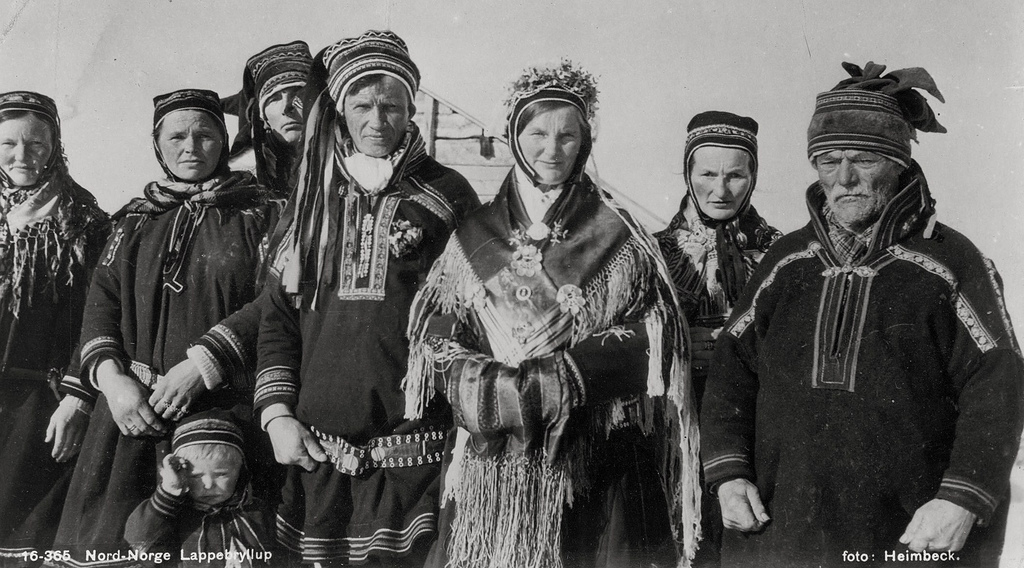
Proudly powered by Weebly